What features should you look for in a field power distribution box?
What features should you look for in a field power distribution box?
A field distribution box has to be three things at once: electrically sound, mechanically tough, and easy for a working crew to read in low light. The features that matter all map back to those three jobs - current ratings, protective devices, terminations, grounding, enclosure quality, and clear labeling.
Why field distribution boxes get judged by a different standard than panel-room gear
A distribution box bolted to a wall in a clean electrical room has the easy life. Temperature is controlled, dust is minimal, nothing falls on it, and the only people touching it are licensed electricians. A field distribution box gets none of that. It rides in a truck, gets dropped on concrete, lives outside in the rain, mates and unmates connectors hundreds of times a year, and gets used at three in the morning by a tired crew with a headlamp. Every feature on the box has to survive that life cycle, not just pass a bench test on day one.
The result is that the things to look for are not exotic - they are the same things that matter in any panel - but the bar is higher. Construction has to be tougher, terminations have to be more forgiving, and the labeling has to be readable when everything else is going wrong.
The electrical features that decide whether the box is actually sized for the job
Start with the input rating. The lugs and the busbars have to handle the full feeder the box could be tied to, not just the load the show usually pulls. A box rated for 200 amps fed from a 400-amp feeder is a problem waiting for the day someone faults the wrong branch. Each branch breaker should be sized to the cable and the connector it feeds, not to the input rating, so that a fault on one output trips locally instead of taking the whole box down. The breakers themselves should have the right interrupting rating for the available short-circuit current at that point in the system - a number that comes from the upstream supply, not from the box itself.
Terminations matter just as much as ratings. Field distribution boxes that use cam-type single-pole connectors on the input let crews build feeder runs in the same connector ecosystem the rest of the industry already uses, which makes spares and rentals interchangeable. Output connectors should match what the downstream gear actually wants, with proper strain relief at the cable entry so vibration and tension never reach the conductors.
Grounding is the third electrical pillar. The enclosure has to bond cleanly to the feeder ground through a path sized for the fault current the system can deliver. A box with a strong-looking grounding lug but no continuity to the busbar enclosure is a box that quietly fails the one job grounding exists to do.
The mechanical and human features that make the box survive the road and the load-in
The enclosure is the part of the box that takes the most abuse. Steel or heavy-gauge aluminum, recessed connectors so nothing snags on a cable run, latches that hold under vibration, and feet or skids that let the box sit on rough ground without rocking - all of these are the difference between a box that lasts ten years on a truck and one that limps through a season. For outdoor work, the ingress protection rating matters: a box that will see rain or dust needs an enclosure rated for it, with gasketed connector flanges that actually seal when mated.
Then comes the human side. Every output should be labeled at the connector with what it is and what it is rated for. Breakers should be grouped near the outputs they protect, so a tripped circuit is obvious without tracing wires. The main disconnect should be reachable from the front of the box, not buried inside. None of this is glamorous - but on a busy load-in, it is what separates a box a crew trusts from one they grumble about for the rest of the run.
Where KUPO Power's connectors show up on a field distribution box
Of all the features above, the connector layer on the face of the box is the one KUPO Power directly builds - and on a field distro, it is also the layer that takes the most physical abuse and the most attention from the crew. K-LOK 400A and K-LOK 150A single-pole cam-type connectors are KUPO's equivalents to the Camlok ecosystem standard in North American touring and film. PowerFit 400A is the Powersafe-pattern keyed single-pole connector for European stage and event work. CEE Form connectors cover the IEC 60309 international pin-and-sleeve standard. Whatever distribution box you build or buy, the connectors on its input lugs and output panel are where KUPO Power's work shows up. For a deeper walk through how cable, connector, and breaker ratings get matched together as one system, the KUPO Power 101 FAQ Hub is the fastest way in.
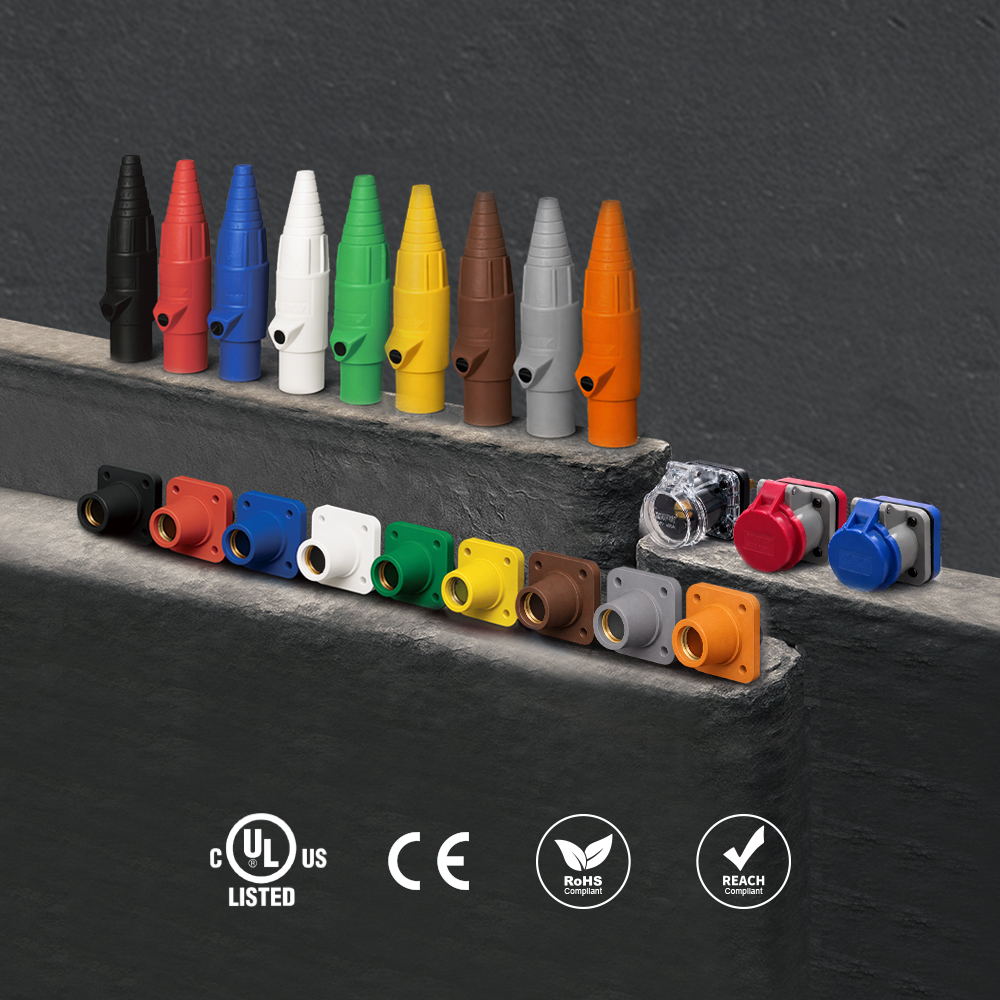 K-LOK 400A Single-Pole Cam-Type Connectors
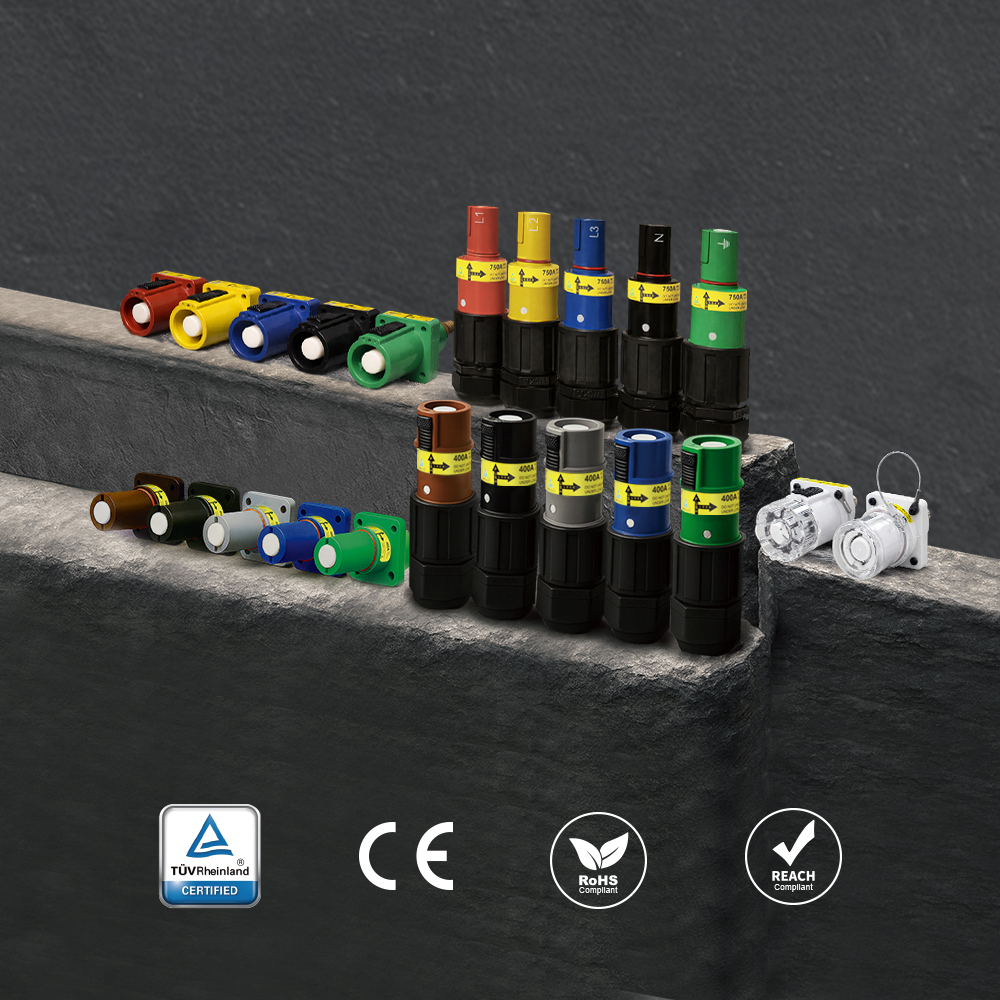 PowerFit 400A Keyed Single-Pole Connectors
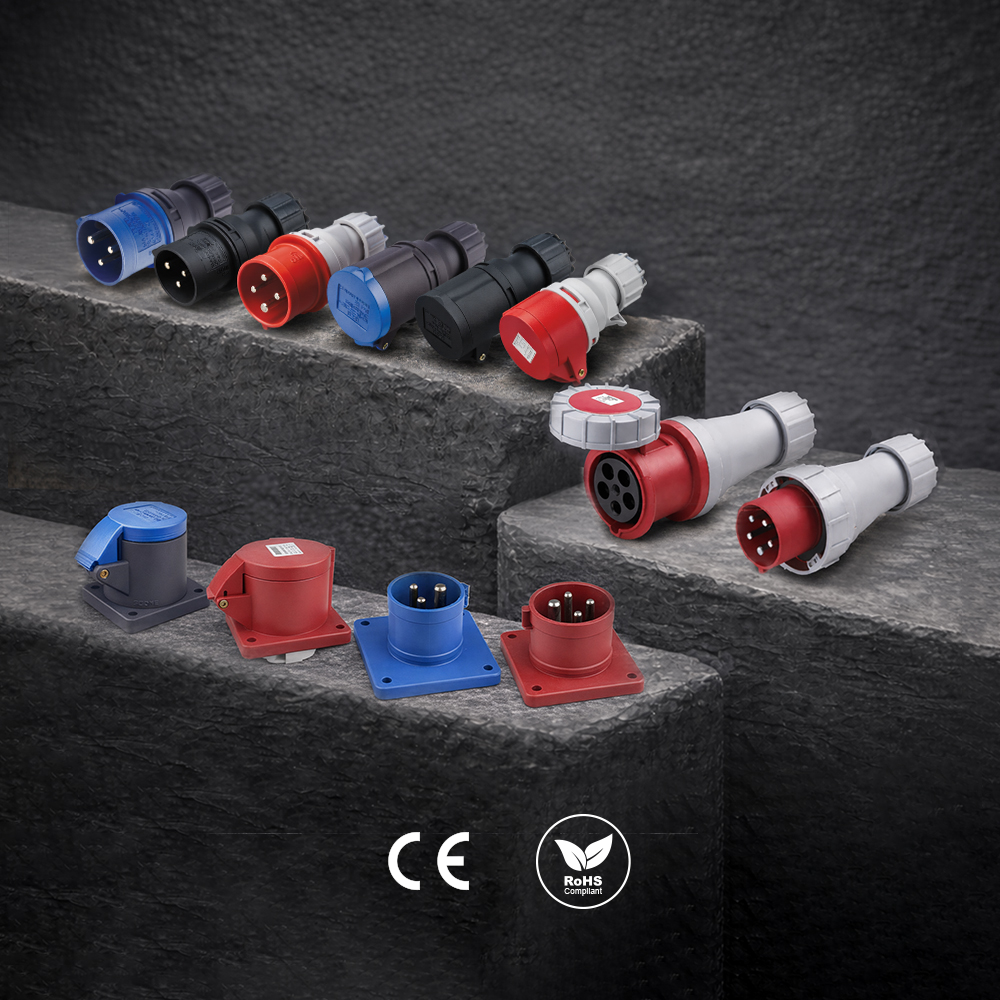 CEE Form Connectors
Have a Question?
Explore the full KUPO Power 101 FAQ Hub for answers to 30 more common questions about industrial power, or ask our team directly about your application.
