What is overcurrent protection, and why is it essential in industrial power systems?
What is overcurrent protection, and why is it essential in industrial power systems?
Overcurrent protection is the part of a power system that detects when current exceeds a safe level and interrupts the circuit before the cable, connector, or equipment downstream is damaged. In industrial systems, where fault energy can be high and the consequences of failure are serious, it is one of the most basic safety layers in the entire electrical chain.
What happens when the protection is missing or sized wrong - and why you rarely get a warning
The dangerous thing about an undersized or missing overcurrent device is that nothing looks wrong during normal operation. Current stays below the cable's limit, connectors run cool, and the system behaves as if everything were fine. The problem only appears during a fault - an overload that builds slowly, or a short circuit that arrives all at once. Without the right protective device in the path, the cable becomes the thing that has to absorb the fault energy. Insulation softens, conductors overheat, and in the worst cases the cable itself becomes the failure point inside an enclosure or a cable run where no one can see it happening.
On a film set or a touring rig, this kind of invisible degradation is especially dangerous because the same gear is struck, transported, and rebuilt show after show. A cable that was stressed on one job may fail on the next, far from the event that actually caused the damage. Overcurrent protection is what keeps that chain of invisible damage from ever starting.
How breakers and fuses actually interrupt a circuit - and why the two approaches exist
All overcurrent protective devices do the same basic job: they open a circuit when current exceeds a defined threshold. How they do it splits into two families. A fuse is a one-shot device - a calibrated metal element that melts when current through it generates enough heat. Once it opens, it has to be replaced. A circuit breaker is a mechanical device that can be reset. Inside a typical breaker there are two separate trip mechanisms working together. The thermal element is a bimetallic strip that bends as it heats up. It responds to sustained overloads - current that is moderately above the rating, held for seconds or minutes. The magnetic element is an electromagnet that trips on sudden, high-magnitude current. It responds to short circuits - current that spikes far above the rating in milliseconds.
The combination of thermal and magnetic trips is what lets a breaker handle both failure modes. Overloads are caught by the slow, heat-based mechanism. Short circuits are caught by the fast, magnetic mechanism. A fuse handles both in one action, but once it blows it is gone. In industrial field work, breakers are far more common because they can be reset on site without carrying spare fuses for every rating in the system.
The other critical number on a protective device is its interrupting rating, sometimes called the AIC (Ampere Interrupting Capacity). This is the maximum fault current the device can safely interrupt without being destroyed in the process. In industrial systems where the supply can deliver thousands of amps during a bolted fault, the interrupting rating matters as much as the trip rating.
The practical questions to ask before trusting a protective device in the field
The first question is sizing: is the protective device rated at or below the safe current capacity of the smallest conductor or connector downstream of it? If the device is rated higher than what it protects, it will not trip in time to prevent damage. The second question is location: is the device close to the point where the smaller conductor connects to the larger source? A long unprotected run between the tap and the protective device is itself a vulnerability. The third question is condition: does the breaker actually trip cleanly, or has it been abused, overheated, or mechanically damaged in ways that might slow its response?
On rental gear and touring equipment, that third question gets more attention than it does in fixed installations. Breakers that have been through hundreds of load-in cycles and truck rides deserve periodic testing, not just visual inspection. A breaker that looks fine on the outside but trips sluggishly under test is not protecting anything.
Where KUPO Power's connectors fit into the overcurrent protection chain
The protective device only does its job if every component downstream of it is rated to match. The connectors on each branch circuit are part of that rating chain - and the connector layer is what KUPO Power builds. K-LOK 400A and K-LOK 150A single-pole cam-type connectors are KUPO's equivalents to the Camlok ecosystem used in North American touring, film, and live event work. PowerFit 400A is the Powersafe-pattern keyed single-pole connector (KSPC) standard in European stage and event power. CEE Form connectors cover the IEC 60309 international pin-and-sleeve standard. Matching the connector rating to the cable and the upstream protective device is how every link in the protection chain stays coordinated. For a fuller walk through how all of these elements work together, the KUPO Power 101 FAQ Hub covers the full picture.
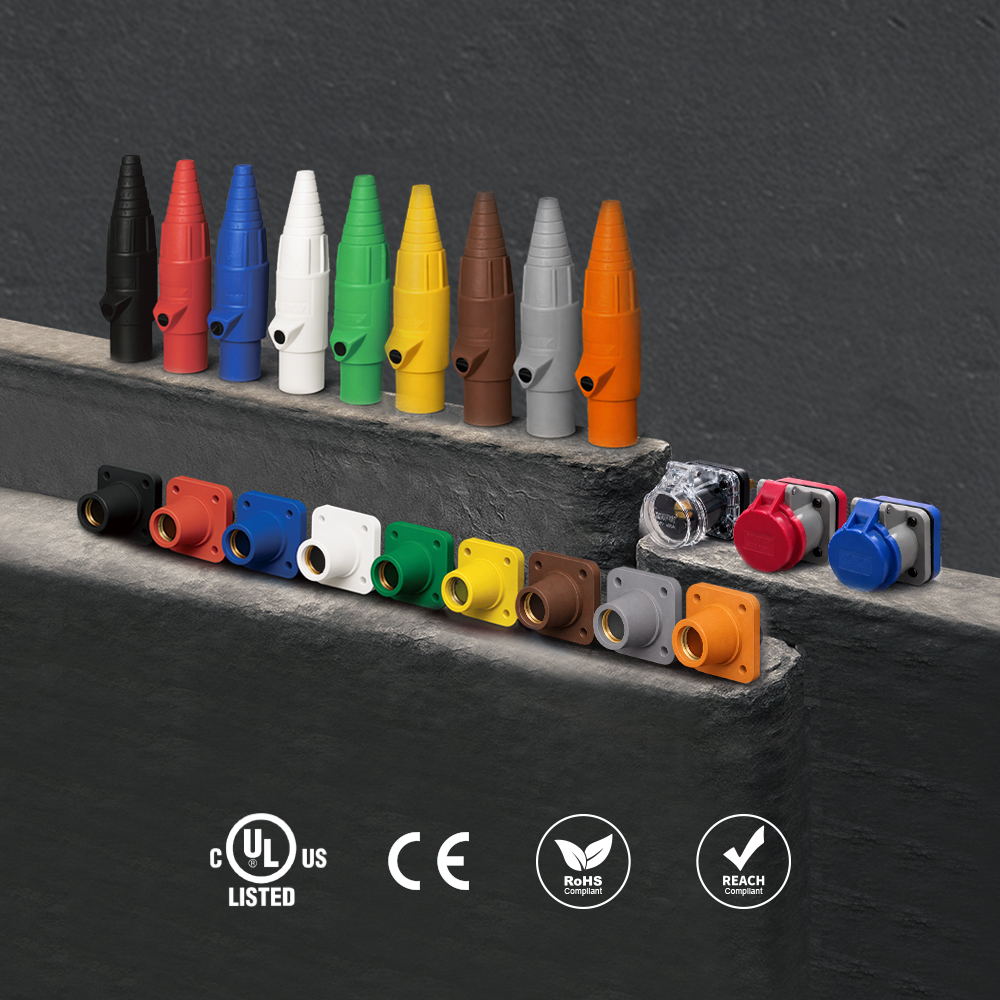 K-LOK 400A Single-Pole Cam-Type Connectors
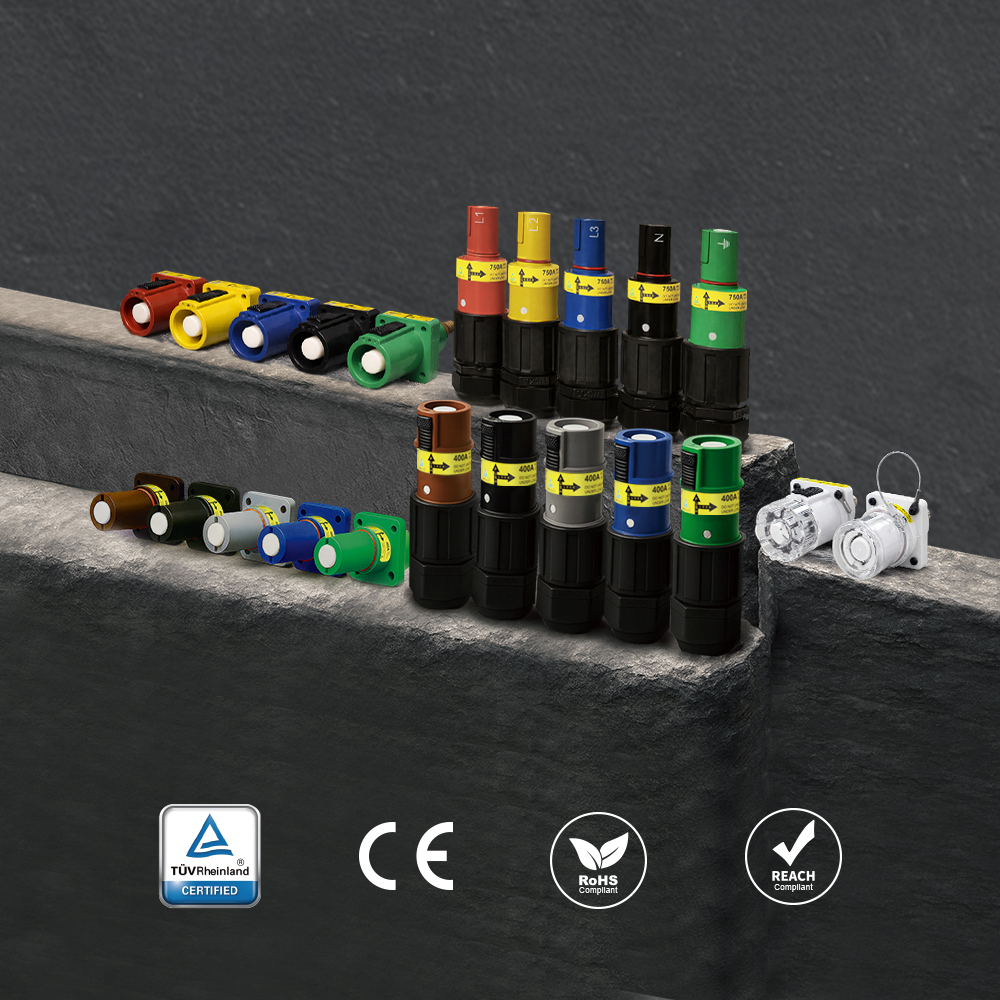 PowerFit 400A Keyed Single-Pole Connectors
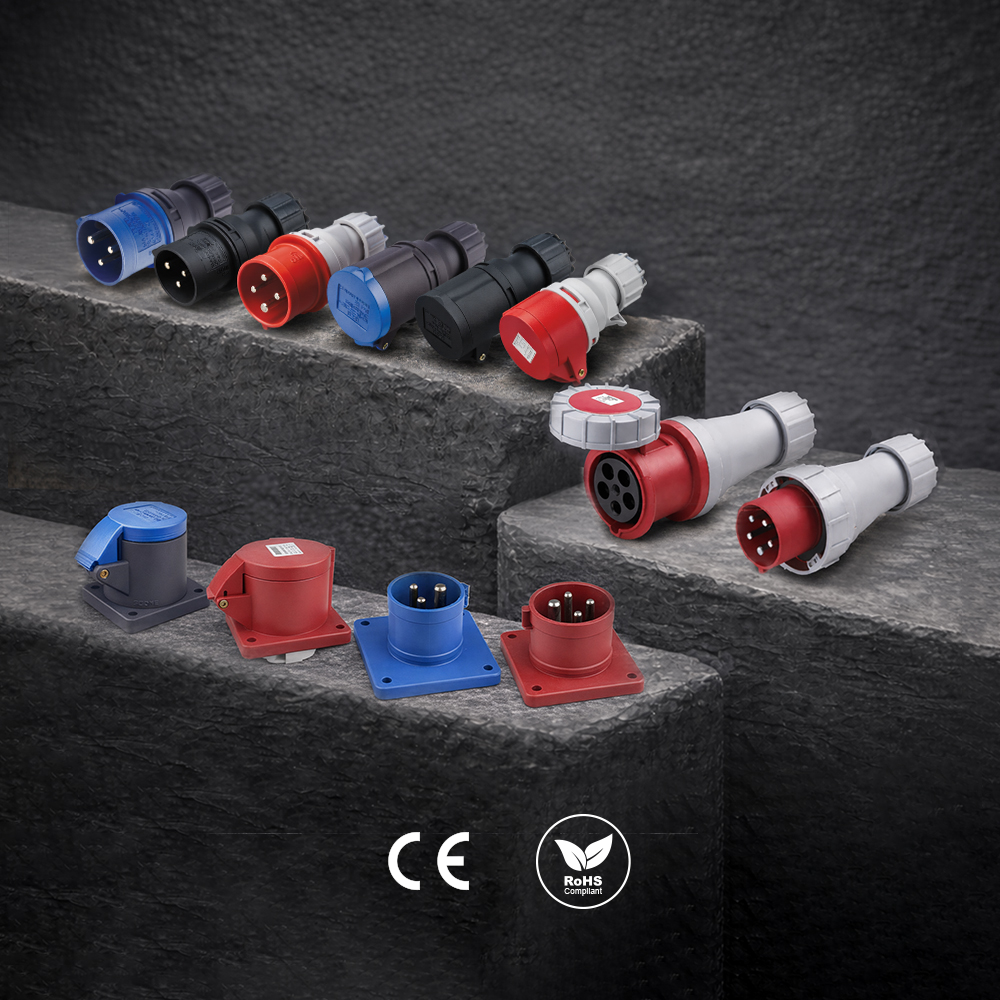 CEE Form Connectors
Have a Question?
Explore the full KUPO Power 101 FAQ Hub for answers to 30 more common questions about industrial power, or ask our team directly about your application.
