What is equipment grounding, and why is it important?
What is equipment grounding, and why is it important?
Equipment grounding connects every exposed metal surface in a power system back to the grounding point at the source. Its purpose is to create a low-impedance fault path so that if a live conductor contacts a metal enclosure, frame, or housing, the fault current is high enough to trip the upstream protective device quickly - clearing the fault before the energized surface becomes a sustained shock hazard.
What a grounding failure actually looks like on a job site - and why it often goes unnoticed
A grounding problem rarely announces itself during normal operation. Current flows on the intended conductors, equipment runs fine, and nothing feels wrong. The danger lives in the fault case. Suppose the insulation inside a distribution box degrades and a live conductor touches the metal enclosure. In a properly grounded system, fault current flows immediately through the equipment grounding conductor back to the source, the overcurrent device trips, and the fault is cleared in fractions of a second. The enclosure may have been momentarily energized, but the duration was too short to be dangerous.
In a system with a broken or high-impedance grounding path, the same fault produces a very different outcome. The enclosure becomes energized and stays energized, because the fault current is not high enough to trip the breaker. The surface sits at a dangerous potential, waiting for someone to touch it while standing on a wet stage, a metal deck, or a grounded scaffold. This is the scenario that equipment grounding exists to prevent - not the normal case, but the fault case that no one sees coming.
How the grounding conductor actually clears a fault - the low-impedance path principle
The key concept in equipment grounding is impedance. Impedance is the total opposition to current flow in a circuit, and it includes resistance, inductance, and the effects of every connection in the path. For a grounding conductor to do its job, the impedance of the fault path has to be low enough that the resulting fault current exceeds the trip threshold of the upstream protective device. If the path impedance is too high - because of a corroded connection, a loose terminal, a broken conductor, or a missing bonding jumper - the fault current will be lower, the breaker will be slower to trip, and the energized surface will remain dangerous for longer.
This is why grounding is not just about having a green wire in the cable. It is about the integrity of every connection that wire passes through on its way back to the source. A single-pole connector with a corroded ground contact, a junction where the bonding jumper was left off, a cable with a broken ground conductor inside an otherwise intact jacket - any of these can raise the impedance of the path enough to compromise the protection. The grounding system is a chain, and the weakest link sets the performance of the entire chain.
In temporary installations, this chain is assembled fresh every time. Every connector mating, every cable run, every bond between a distribution box and its mounting frame is a link that has to be checked. In permanent installations, the chain is verified once and then monitored. In field work, it has to be verified every time the system is built.
The practical checks that tell you whether the grounding path is intact before you energize
The most basic check is continuity. Before the system is energized, a simple resistance measurement from the ground terminal at the farthest load back to the ground bus at the source should show a low, consistent reading. If the reading is high or unstable, there is a connection in the path that needs attention. Common culprits include corroded contacts inside connectors, loose set screws on ground lugs, and bonding jumpers that were forgotten during assembly.
The second check is visual. Every exposed metal part that a person could touch should be traceable back to the grounding system through a visible conductor or a bonded metallic path. If a distribution box sits on a metal cart but the cart is not bonded to the box's grounding terminal, the cart is an isolated metal surface that could become energized during a fault. The same applies to lighting trusses, cable bridges, and any other conductive structure near the power system.
The third check is the connector itself. When mating single-pole connectors in a feeder set, the ground connector should be the first to make contact and the last to break. Many connector systems are designed with this sequence built in - the ground pin is longer or engages first by mechanical design. If the system does not enforce this sequence, the crew has to follow it manually.
Where KUPO Power's connectors carry the grounding path from source to load
In every feeder and branch circuit, the grounding conductor passes through the connectors at each connection point - and that connector layer is what KUPO Power builds. K-LOK 400A and K-LOK 150A single-pole cam-type connectors carry the dedicated ground conductor as a distinct, color-coded connector in every feeder set, maintaining the grounding chain through every mating cycle. PowerFit 400A keyed single-pole connectors (KSPC) serve the same function in the Powersafe ecosystem used in European stage and event work. CEE Form connectors integrate the protective earth (PE) pin as part of the IEC 60309 standard, with the earth pin mechanically designed to engage before the phase pins. The grounding path is only as good as the connector that carries it, so contact quality and mating integrity at every point in the chain directly affect fault-clearing performance. For more on how grounding, protection, and connector selection work together, the KUPO Power 101 FAQ Hub covers the full system picture.
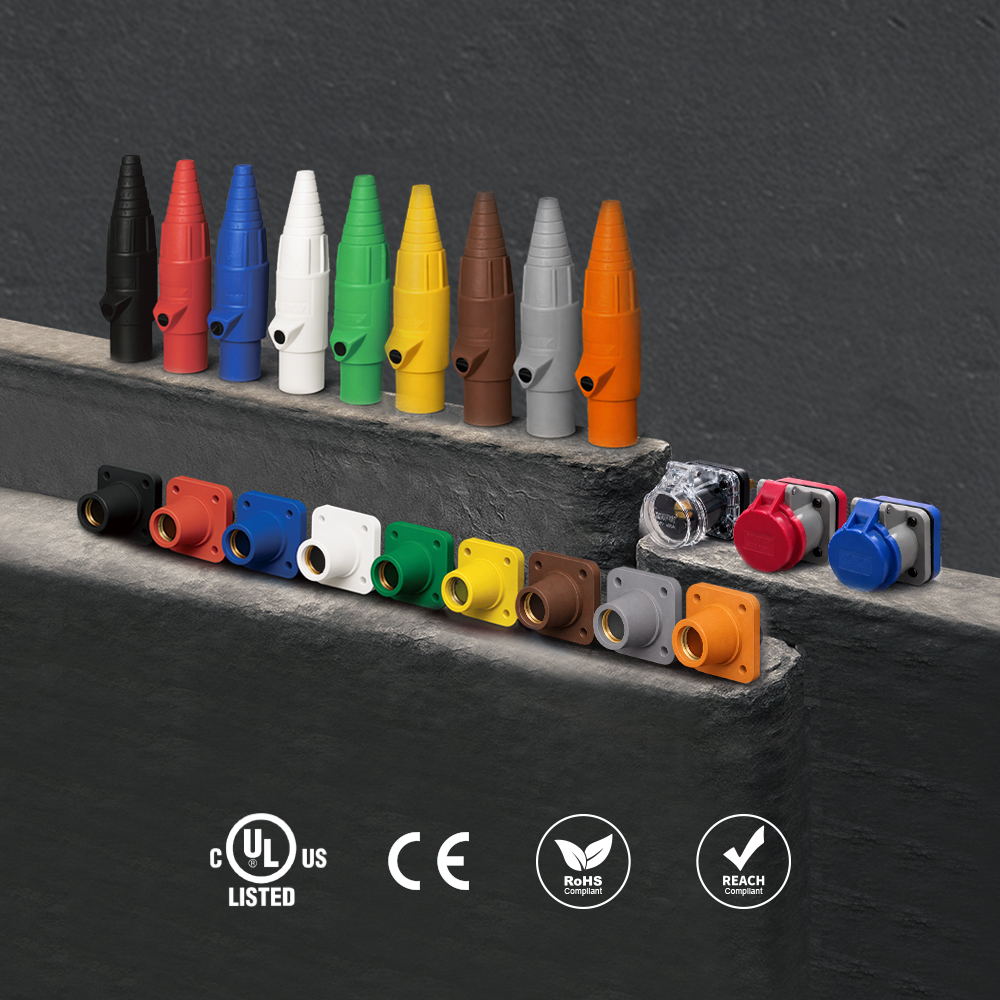 K-LOK 400A Single-Pole Cam-Type Connectors
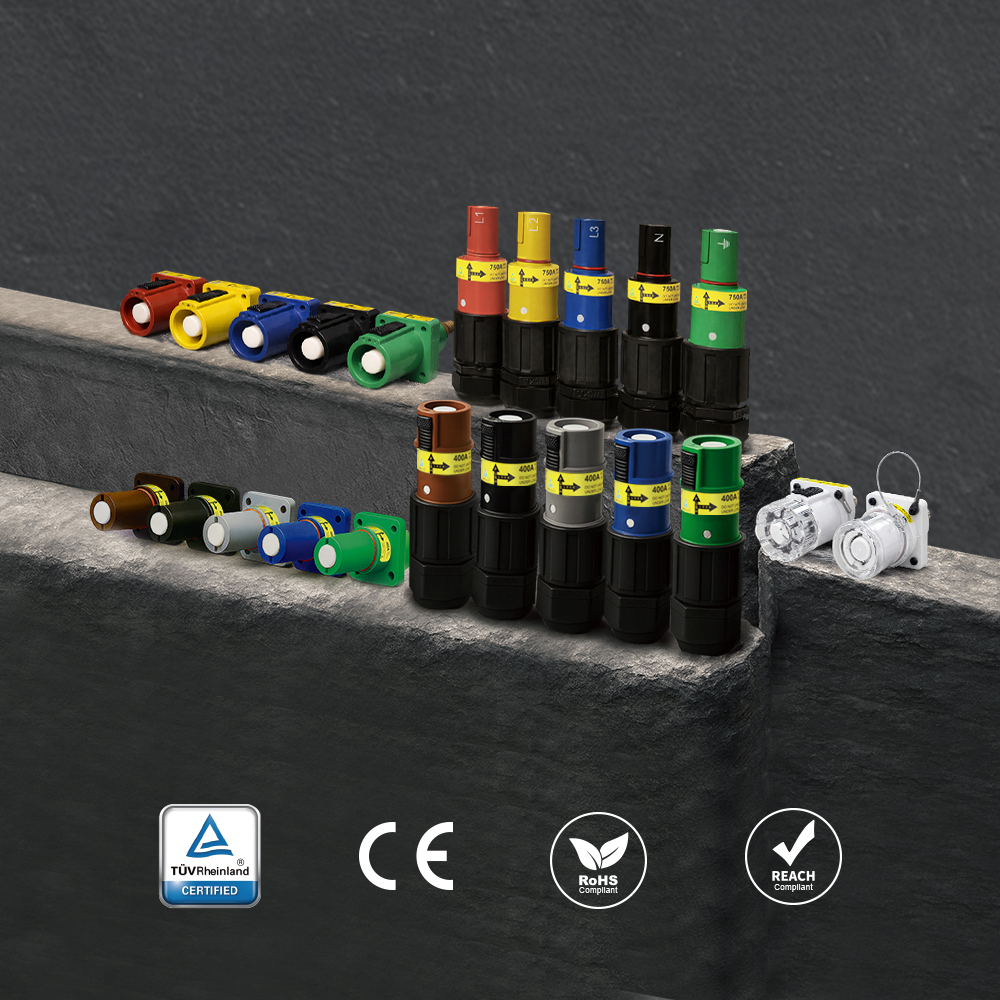 PowerFit 400A Keyed Single-Pole Connectors
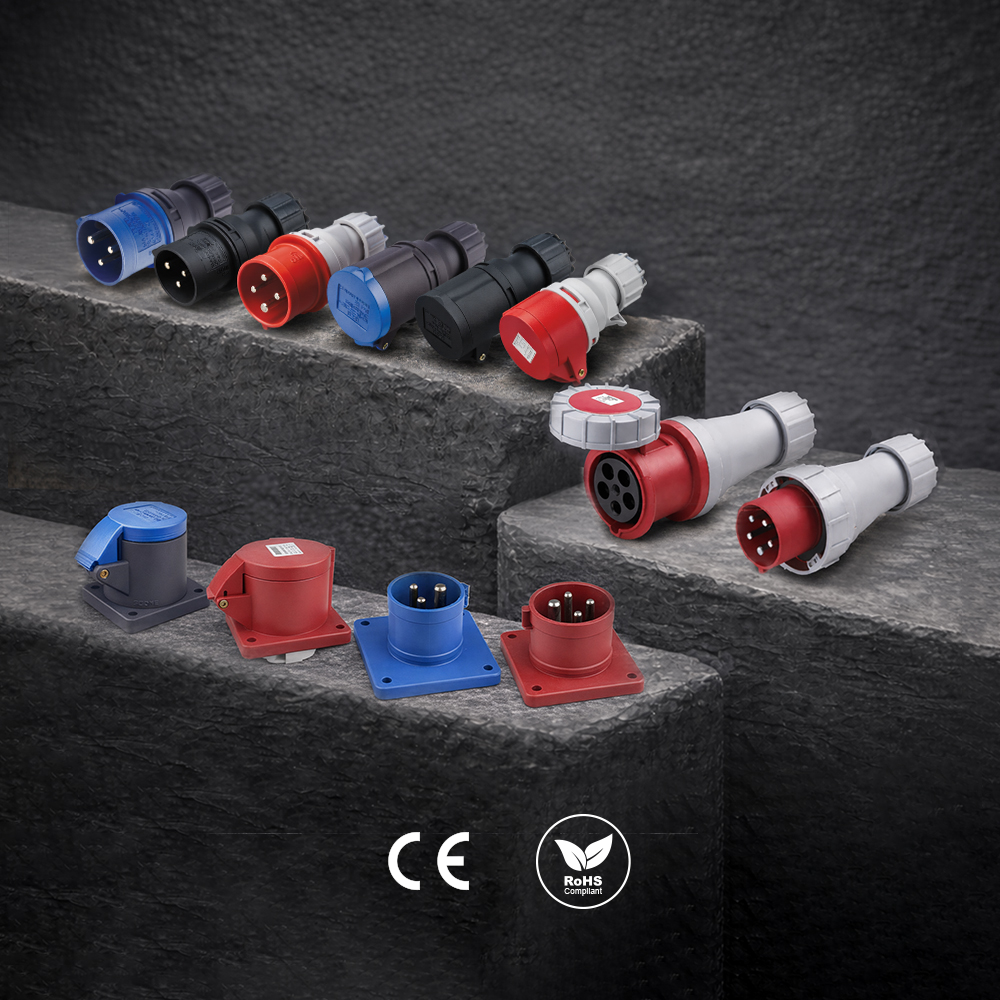 CEE Form Connectors
Have a Question?
Explore the full KUPO Power 101 FAQ Hub for answers to 30 more common questions about industrial power, or ask our team directly about your application.
