What should you consider when choosing a connector for outdoor or harsh industrial environments?
What should you consider when choosing a connector for outdoor or harsh industrial environments?
Environment is one of the most overlooked factors in connector selection, even though it is often the difference between a system that works reliably year after year and one that corrodes, fails, or becomes unsafe. Moisture, dust, mechanical abuse, extreme temperature swings, salt air, chemical exposure, and repeated connect-disconnect cycles all degrade connectors over time. A robust connector for indoors may fail quickly outdoors. The right choice requires looking at the full environment the connector will face - not just the current or voltage.
Moisture and salt air - the two biggest killers of connectors in the field
Moisture is the primary threat to connector life outdoors. Water creeps into gaps, works into contact areas, and starts electrochemical corrosion between dissimilar metals. Copper contacts develop a greenish patina. Steel housings rust. Mild steel connectors left on a coastal film set for a week of shooting can show visible corrosion by the time they are packed up. The corrosion may not kill the connector immediately, but it degrades contact pressure and resistance, leading to arcing, intermittent faults, and eventually failure. Salt air accelerates the process dramatically - outdoor events near harbors, lakes, or coastlines expose connectors to salt residue that stays corrosive long after the water has evaporated. Material selection is the first defense: stainless steel housings and nickel-plated contacts resist salt far better than mild steel or bare copper.
Dust, mechanical abuse, and thermal cycling on touring and location work
On a touring production or a film set, connectors are dragged across concrete, buried under cable, and connected and disconnected dozens of times as the rig changes. Dust and sand get into the contact areas. UV exposure breaks down rubber seals not formulated for outdoor use. Temperature cycles from cold mornings to hot afternoons cause thermal expansion and contraction that can loosen contacts over time. A connector that works fine in an air-conditioned broadcast facility may become unreliable after a season of outdoor location work under rain, dust, and sun.
Sealing design matters more than most people realize. A well-sealed connector with gaskets around the entry points and a drain path that lets trapped moisture evaporate keeps the contact area clean and dry. A poorly sealed connector traps dust and water inside, where they quietly raise contact resistance over weeks of use. That distinction separates a connector that lasts five years in the field from one that is unreliable after one touring season. Chemical exposure adds another layer - connectors near diesel generators, in truck beds, or in venues cleaned with solvents can see plastics and seals degrade if the materials are not selected for those conditions.
What to check before specifying a connector for outdoor or harsh-environment use
The first question is ingress protection. The IP rating (defined by IEC 60529) tells you how well the connector resists dust and water when mated. An IP44-rated connector handles splashing water; an IP67-rated connector can survive temporary immersion. The right level depends on the application - a connector on a covered stage needs less protection than one on a ground-level cable run in the rain. The second question is material compatibility. What are the housing, contacts, and seals made of, and will those materials hold up against the specific stresses the connector will face? The third question is mating cycle life. Connectors in rental and touring service may see hundreds of connect-disconnect cycles per year, and the mechanical durability of the contact system directly affects how long the environmental sealing and contact performance hold up.
Where KUPO Power's connectors handle the conditions that matter in the field
KUPO Power builds connectors for the environments that touring, film, and temporary installation work actually involves - not just for bench-test conditions. K-LOK 400A and K-LOK 150A single-pole cam-type connectors are KUPO's equivalents to the Camlok ecosystem, with materials selected for repeated outdoor use and high mating cycle counts. PowerFit 400A keyed single-pole connectors (KSPC) serve the Powersafe ecosystem in European stage and event power, with robust housing and contact designs. CEE Form connectors follow the IEC 60309 standard, with IP-rated housings and standardized material specs for both indoor and outdoor industrial applications. For the full picture of how environmental factors fit into connector selection, the KUPO Power 101 FAQ Hub covers the complete system.
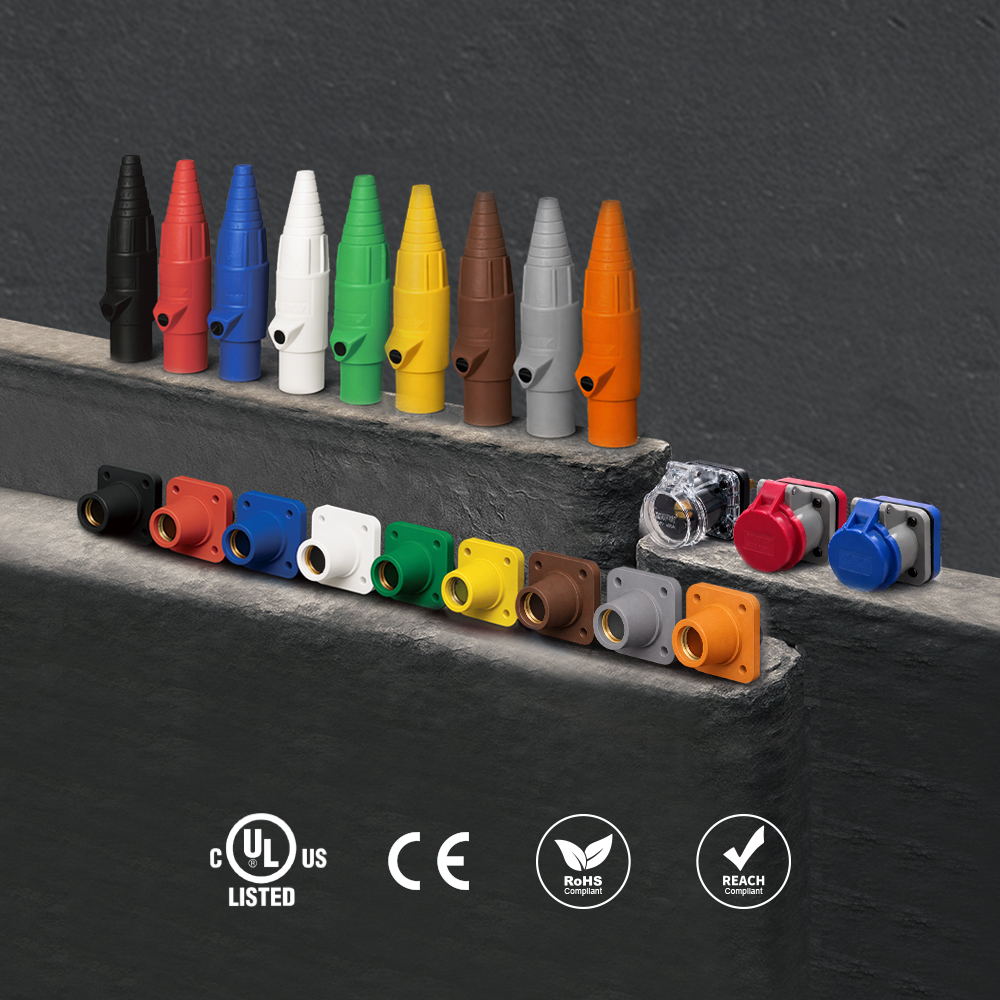 K-LOK 400A Single-Pole Cam-Type Connectors
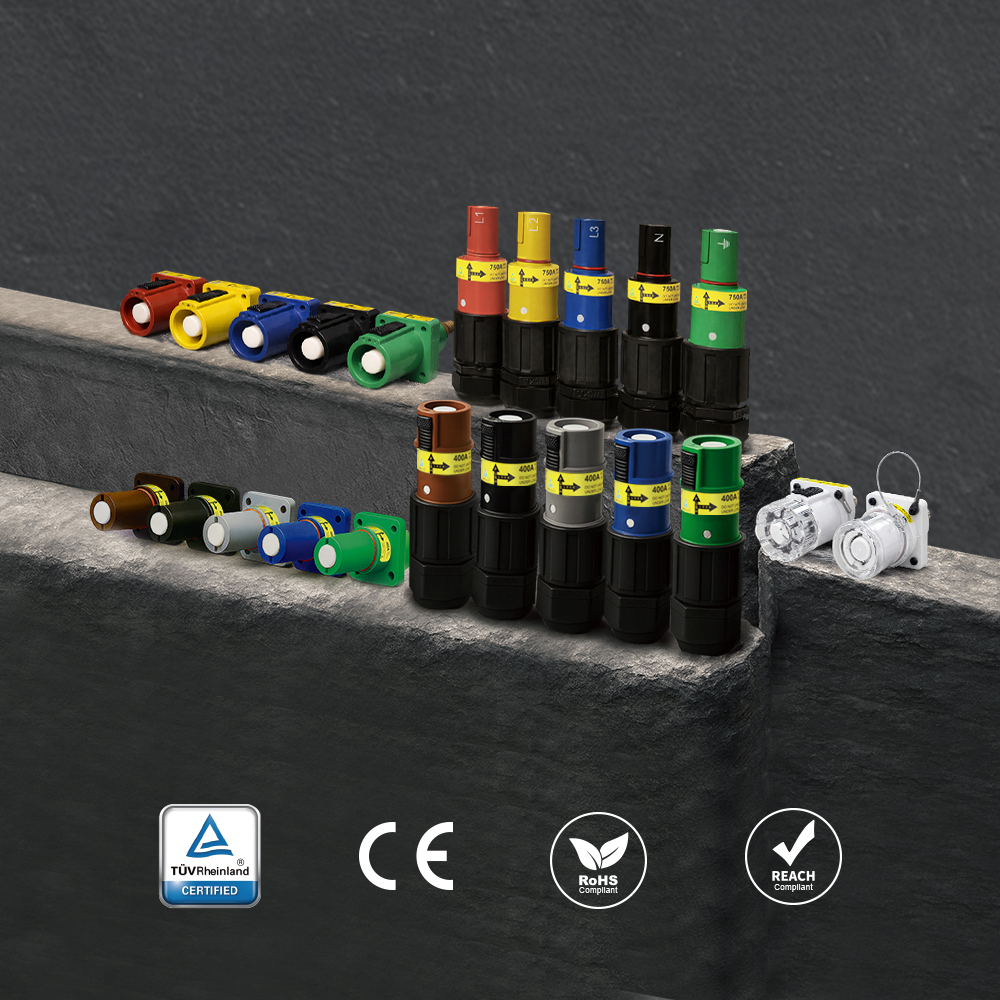 PowerFit 400A Keyed Single-Pole Connectors
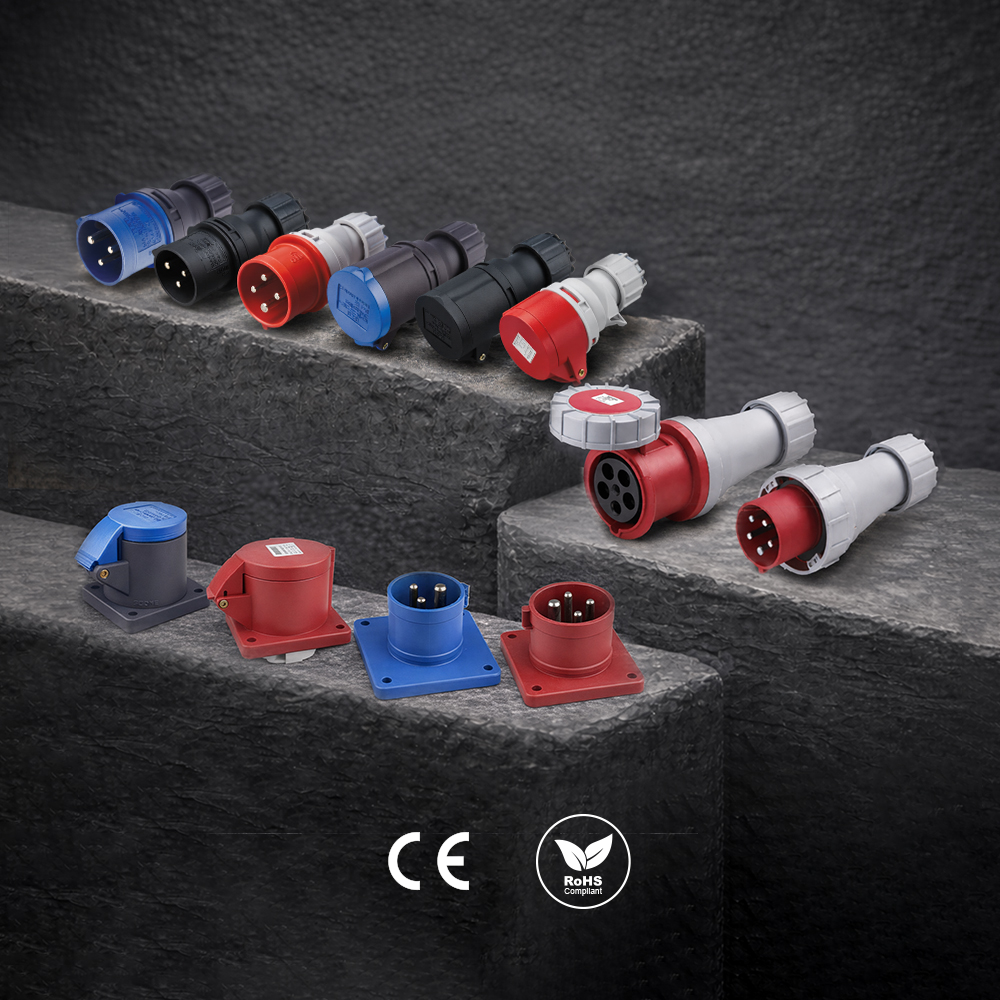 CEE Form Connectors
Have a Question?
Explore the full KUPO Power 101 FAQ Hub for answers to 30 more common questions about industrial power, or ask our team directly about your application.
