When is overcurrent protection required in downstream distribution?
When is overcurrent protection required in downstream distribution?
Downstream overcurrent protection is needed any time the cable, connector, or equipment beyond a tap could see more current than it is rated to handle safely. The moment a feeder is broken into smaller branches, each branch needs its own protective device sized to the smallest thing it can legitimately feed.
The quiet failure mode that makes this question worth taking seriously
The classic version of this problem looks harmless on a one-line drawing. A 400-amp feeder lands on a splitter. From the splitter, a smaller cable runs to a piece of equipment rated for far less current. As long as the equipment behaves itself, nothing visibly wrong happens - current draw stays low and everyone forgets the mismatch is there. The danger lives in the fault case. If something downstream develops a short, the only protection in the path is the upstream device sized for the full 400-amp feeder. That breaker will not trip on a current that is well below its setpoint, even though the small downstream cable is being asked to carry a load it was never designed for. The cable is the thing that gives way, sometimes in the wall of an enclosure where nobody can see it.
Overcurrent protection at the branch level exists to prevent exactly this. It is the device that sees the fault before the cable or the connector becomes the fuse.
How to think about where protection has to live as power steps down
The principle most electrical codes share is that every conductor must be protected by a device sized at or below its safe carrying capacity, located close to the point where the conductor connects to a larger source. When a feeder is divided into smaller branches, the branches are by definition smaller conductors connected to a larger source, so each one triggers the requirement. The protective device - usually a breaker, sometimes a fuse - has to be sized to the cable, the connector, and any downstream equipment, and it has to sit close enough to the tap that the unprotected portion of the branch is short and well controlled.
There are narrow exceptions in most codes for very short tap conductors under tightly defined conditions, but those exceptions are written for engineers who can prove their math, not for crews building distros in the back of a truck. In the field, the safer rule is the simple one: every time the cable size or the connector rating shrinks, a new protective device belongs at the boundary.
This is the reason a real distribution box has a breaker on every output instead of just a main breaker at the input. Each branch is a different size, feeds a different load, and deserves its own protective decision.
What this looks like in practice - and the questions to ask before you trust a tap
Before plugging anything into a tap that comes off a larger feed, the questions worth asking are simple. What is the rating of the cable on this branch, and what is the rating of the connector on the end of it? What is the upstream protective device sized at, and would that device actually trip in time to save this branch? Is there a breaker or a fuse in the path between the busbar and the connector, sized to the smaller conductor? If the answer to any of those is unclear, the tap is not safe to use until it is.
The same logic applies to adapters and pigtails. A short pigtail that steps down from a large connector to a smaller one looks like a convenience, but it carries the same hazard as any other unprotected step-down. If the smaller side is going to feed a real load, there has to be protection sized for the smaller side somewhere in the path.
Where KUPO Power's connectors fit into the protection conversation
Every protective device in the chain only does its job if the connectors on either side of it carry the right rating - and the connector layer is what KUPO Power builds. K-LOK 400A and K-LOK 150A single-pole cam-type connectors are KUPO's equivalents to the Camlok ecosystem favored by North American touring and film crews. PowerFit 400A is the Powersafe-pattern keyed single-pole connector standard in European stage and event power. CEE Form connectors cover the IEC 60309 international pin-and-sleeve side. Choosing connectors that match the rating of the cable and the trip rating of the protective device upstream of them is how every link in the protection chain stays coordinated. For a fuller picture of how breakers, ampacity, and connector ratings have to be matched as one system, the KUPO Power 101 FAQ Hub walks through it step by step.
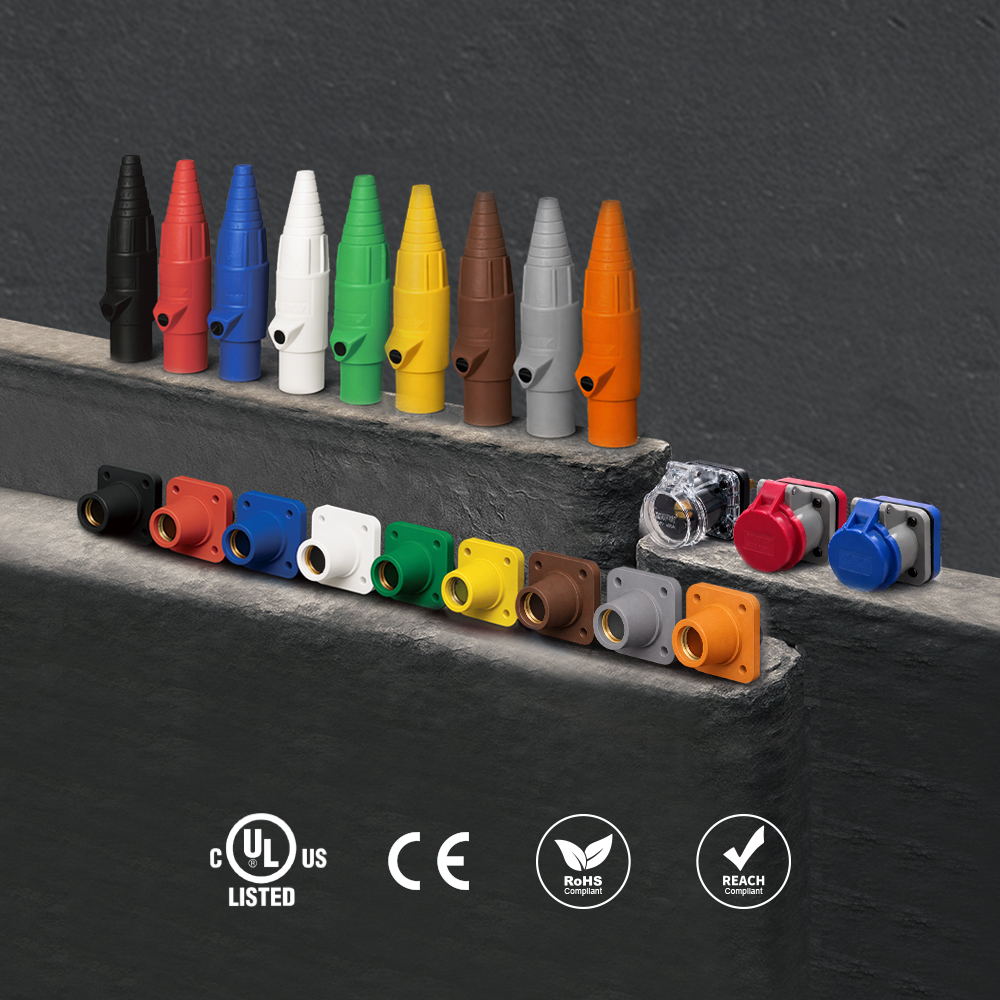 K-LOK 400A Single-Pole Cam-Type Connectors
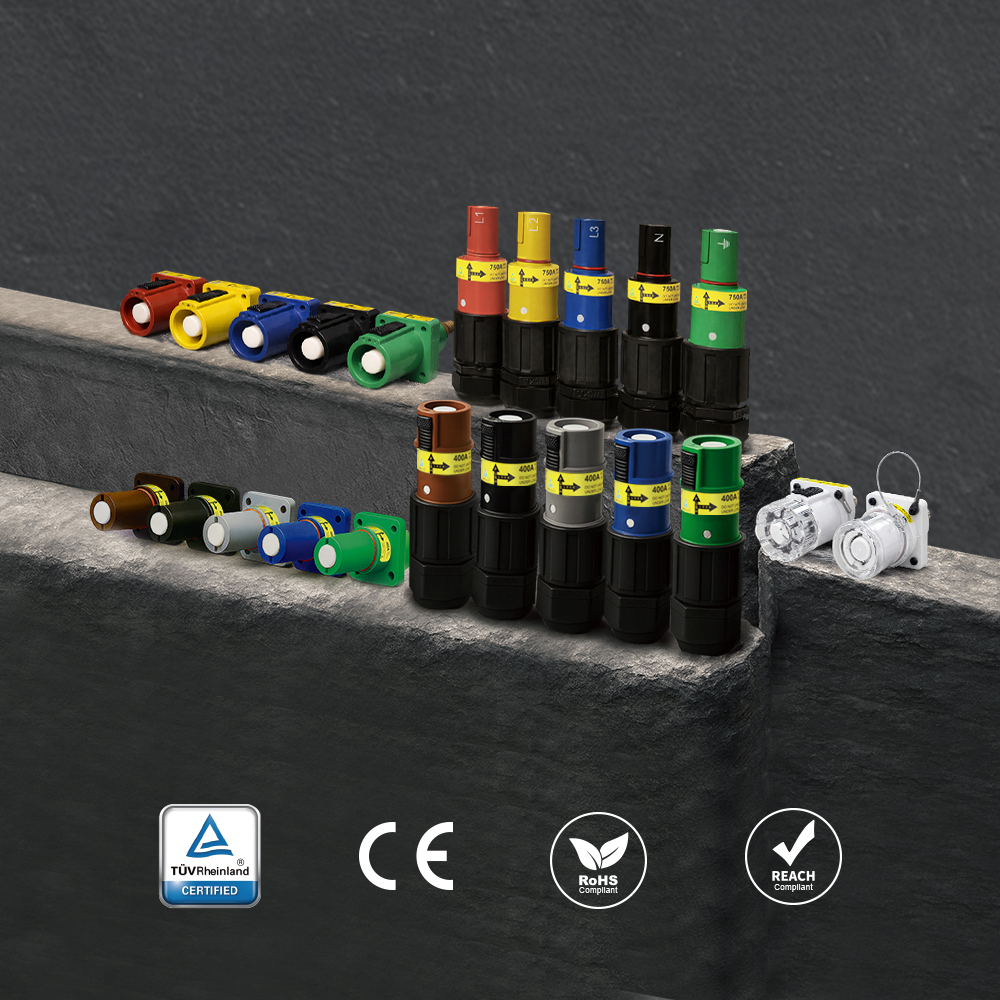 PowerFit 400A Keyed Single-Pole Connectors
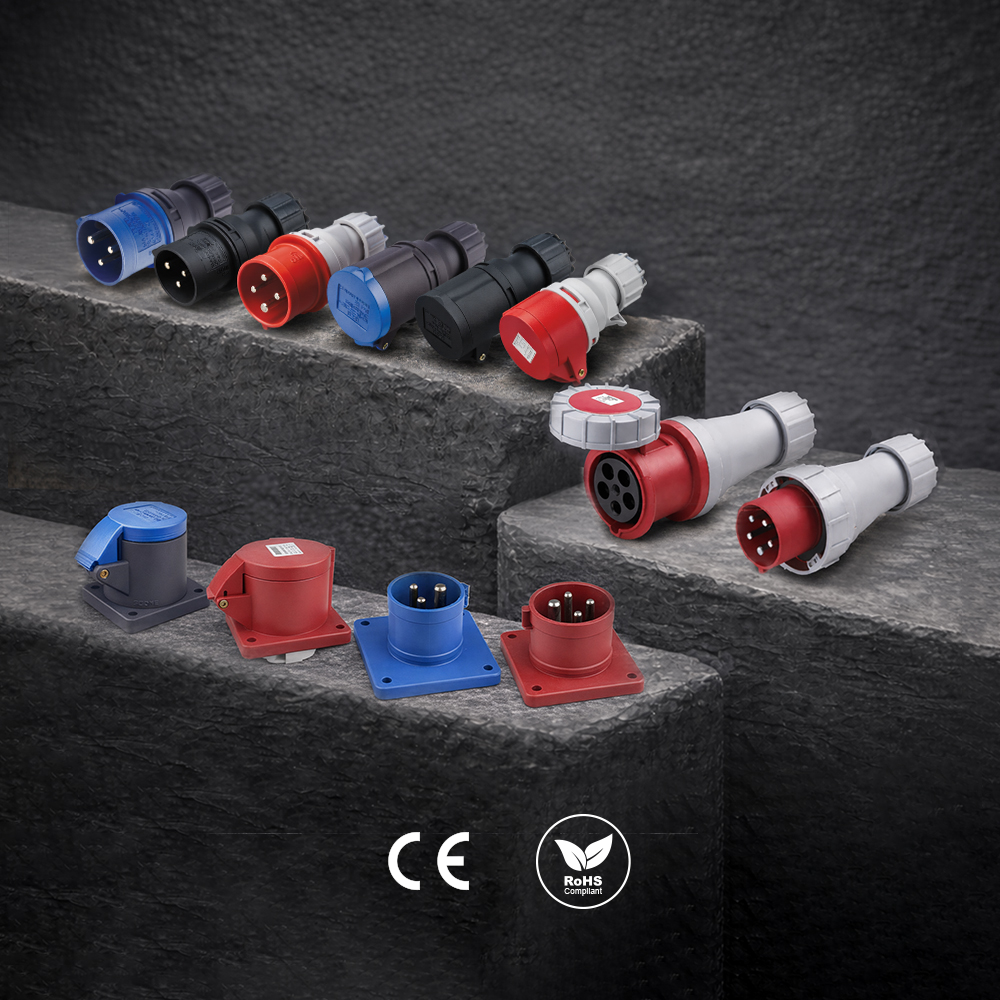 CEE Form Connectors
Have a Question?
Explore the full KUPO Power 101 FAQ Hub for answers to 30 more common questions about industrial power, or ask our team directly about your application.
