What is IEC 60309, and why is it the backbone of industrial connector standards worldwide?
What is IEC 60309, and why is it the backbone of industrial connector standards worldwide?
IEC 60309 is the international standard that defines pin-and-sleeve industrial plugs, sockets, and couplers. It specifies pin layouts, voltages, current ratings, and color codes so that connectors from different manufacturers can be safely intermateable. Most national standards reference IEC 60309, providing a common technical language for industrial power connections across regions.
How IEC 60309 standardizes the physical and electrical interface
IEC 60309 defines the mechanical and electrical characteristics of industrial connectors used for power distribution. The standard specifies the exact diameter and position of pins within a cylindrical connector body, the spacing between pins, the length of pins (which determines mating sequence), the material and surface finish of contacts, and the dimensional tolerances that allow intermatability. For a three-phase plus neutral plus protective earth connection at 400V, for instance, IEC 60309 defines exactly where the three-phase pins sit, which pin is designated for neutral, and which pin is the protective earth. The earth pin is intentionally longer than the phase and neutral pins, ensuring that ground makes contact first during insertion and breaks last during withdrawal - a safety feature that isolates the user from live voltage for as long as possible.
The electrical ratings in IEC 60309 cover current capacity, insulation voltage, and temperature rise under rated load. The standard defines several current classes - 16 amps, 32 amps, 63 amps, 125 amps - each with corresponding connector geometry. A 16-amp connector has smaller pins and a smaller housing than a 63-amp connector, preventing a low-current plug from being mated to a high-current socket where it would overheat. Additionally, IEC 60309 specifies voltage and frequency combinations through color-coded rings on the connector body. A red connector with three yellow dots indicates 380V to 415V, 50Hz; a blue connector indicates a different combination. This color coding allows workers to visually confirm that they are connecting equipment to the correct voltage before making the connection, reducing the risk of damage or injury from voltage mismatch.
Why IEC 60309 makes global equipment mobility and standardization possible
Before IEC 60309, industrial connectors were manufacturer-specific or region-specific, meaning that a 400-amp feeder cable made by one company could not reliably plug into a socket made by another company, even if the physical dimensions looked similar. Early iterations of this problem in touring and film production involved custom adapters, field modifications, and compatibility arguments that delayed setup and created safety vulnerabilities. IEC 60309 resolved this by establishing a single international reference standard that manufacturers in the EU, Australia, parts of Asia, and other regions adopted and certified to. This standardization meant that a touring production could buy or rent connectors from multiple vendors across multiple countries and know that they would intermate safely.
The standard also provides a clear language for specifying requirements in international contracts, rental agreements, and equipment procurement. A broadcast facility in London can order a CEE Form connector rated for 63 amps, 400V, 50Hz from a manufacturer in any IEC 60309-compliant country and have high confidence in the product's electrical and mechanical compatibility with existing infrastructure. This standardization particularly benefits touring shows, international broadcast operations, and rental companies that move equipment between countries. Without IEC 60309, every border crossing would require equipment inspection and potential modification; with it, a touring rig can move from a venue in Germany to a venue in France to a venue in Australia with minimal connector concerns.
The role of IEC 60309 in electrical safety and protective device coordination
IEC 60309 connectors are designed to work with the protective devices (circuit breakers, fuses, earth-leakage relays) that are standard in the electrical codes of IEC 60309 regions. A 32-amp IEC 60309 connector is matched to the sensitivity and response time of the overload and earth-fault protection typical in European installations. This coordination means that if a fault occurs, the protective device will trip quickly enough to prevent equipment damage and user injury. If someone attempts to connect a 32-amp load through a 16-amp connector to defeat this protective coordination, the contacts will overheat and fail before the system reaches the protective device - the connector itself becomes the fuse, but not in a controlled manner.
The standard also specifies insulation levels and dielectric strength that account for the actual transient voltages and surges present in industrial electrical systems. IEC 60309 connectors can withstand the momentary voltage spikes that occur when contactors close or when transformers are de-energized, whereas non-standard connectors may fail prematurely. This hidden robustness is why rental companies and permanent installations in IEC 60309 regions standardize on the IEC 60309 ecosystem - the connectors not only intermate but also survive the electrical environment they are designed for.
Where KUPO Power's CEE Form connectors implement the IEC 60309 standard
KUPO Power's CEE Form connectors are built to the full IEC 60309 specification, enabling safe intermatability with equipment and infrastructure throughout Europe, Australia, parts of Asia, and any region that adopts IEC 60309. The CEE Form connector family covers voltage and frequency combinations from 16 amps up to 125 amps, with the appropriate color coding, pin layouts, and electrical ratings specified by the standard. Because KUPO Power designs its connectors to IEC 60309 from the ground up, equipment fitted with KUPO CEE Form connectors can be deployed internationally without concern for physical or electrical incompatibility. K-LOK 400A and K-LOK 150A single-pole cam-type connectors serve North American installations where the Camlok ecosystem predominates, while PowerFit 400A addresses European high-current needs. CEE Form fills the standardized multi-pin role across international markets. The KUPO Power 101 FAQ Hub provides full technical context on how IEC 60309 fits into your regional connector strategy.
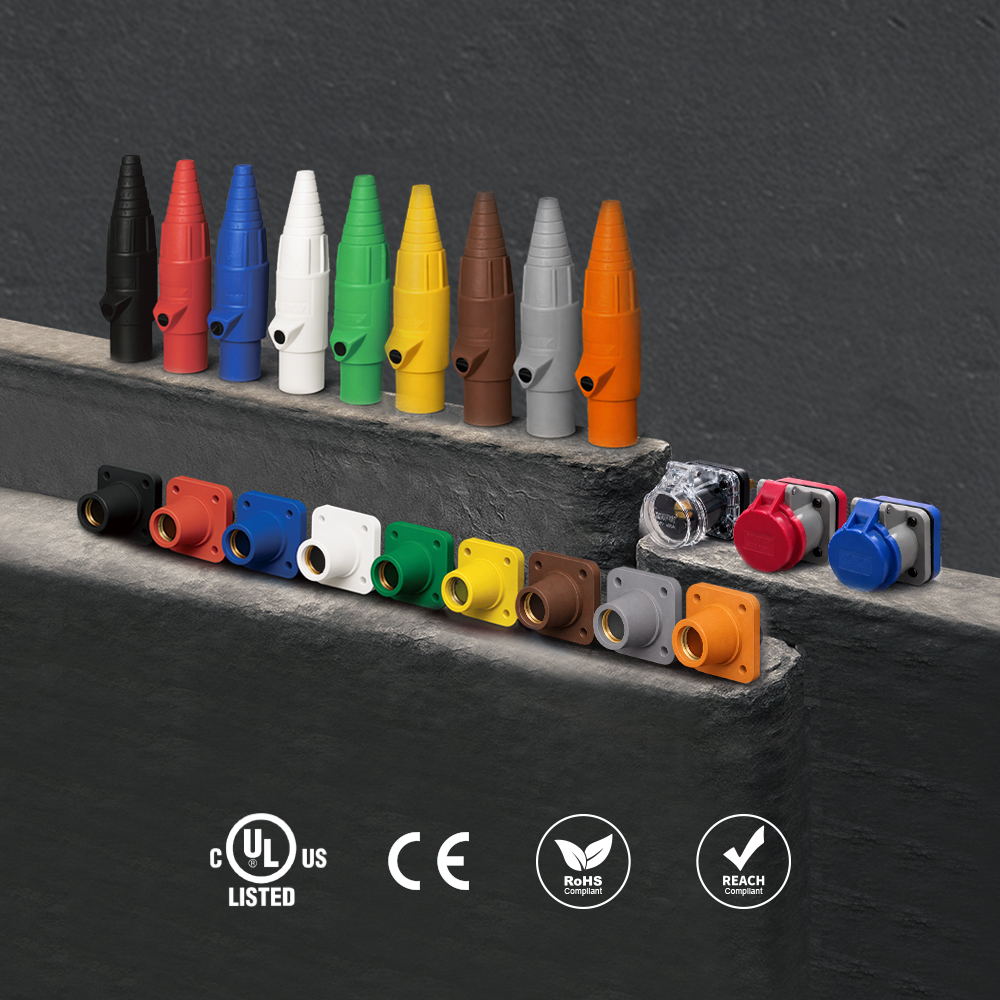 K-LOK 400A Single-Pole Cam-Type Connectors
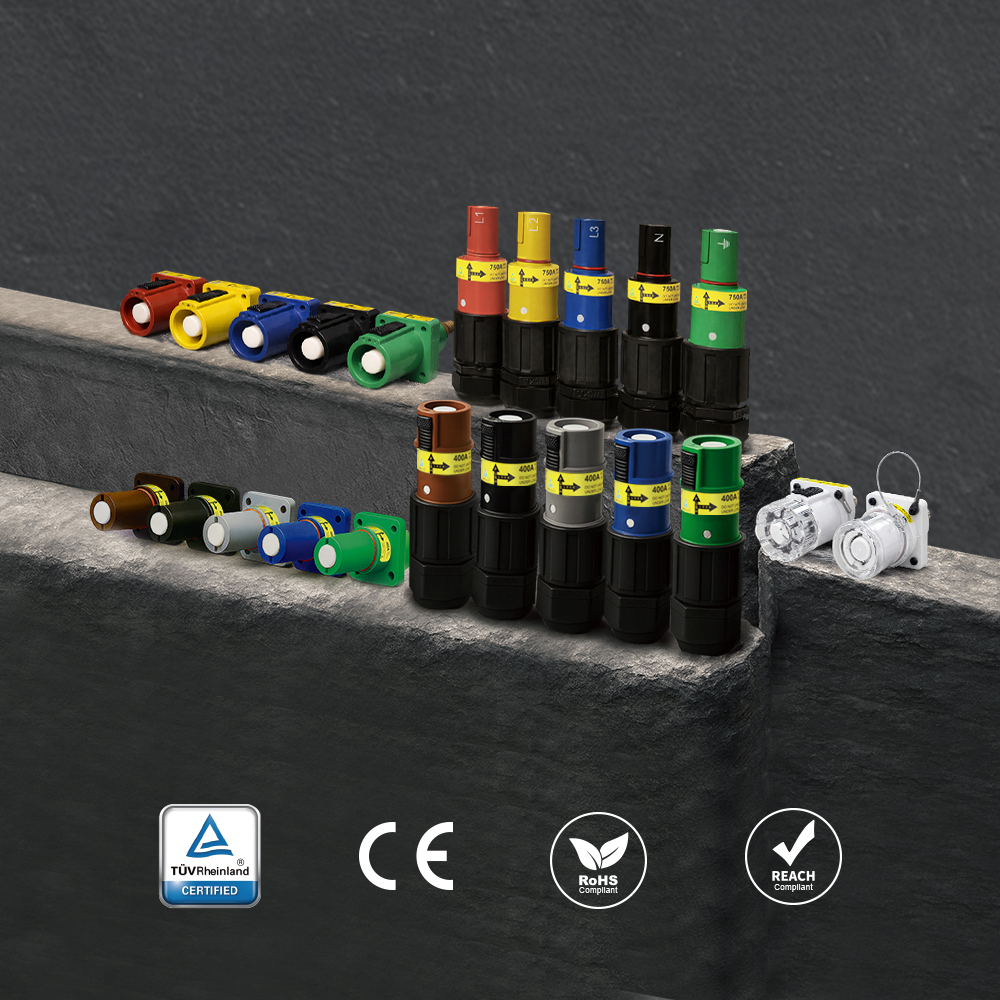 PowerFit 400A Keyed Single-Pole Connectors
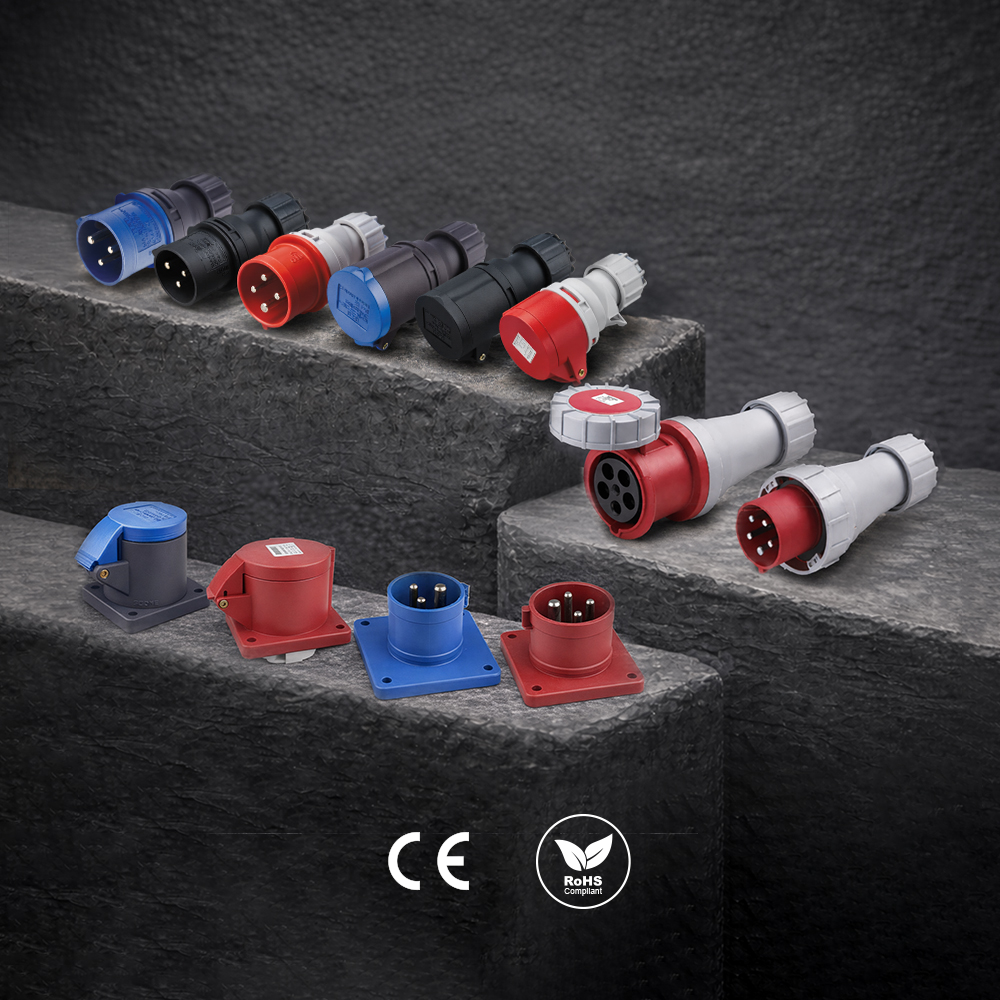 CEE Form Connectors
Have a Question?
Explore the full KUPO Power 101 FAQ Hub for answers to 30 more common questions about industrial power, or ask our team directly about your application.
