What documentation should ship with industrial power equipment for international customs and on-site inspection?
What documentation should ship with industrial power equipment for international customs and on-site inspection?
Typical documentation includes a datasheet, conformity statement, certification reports or marks, safety instructions, and country-specific paperwork. This supports both customs clearance and on-site checks. Travelling with the right documentation prevents delays, equipment refusal, or job-site disputes during international productions.
Why documentation is as critical as the hardware itself
Industrial power equipment, particularly connectors rated for high current or serving safety-critical roles, exists in a regulated environment. Customs authorities in most countries require documentation proving that imported equipment complies with the electrical and safety standards of the destination country. An electrical inspector on a film set or at a touring venue will ask to see certification marks and supporting documentation before allowing equipment to be connected to the power grid. Insurance companies may require proof of certification before covering equipment damage or liability claims. In many jurisdictions, the absence of proper documentation can result in equipment being impounded, refused entry, or held at the border pending investigation. Even if the equipment itself is entirely safe and compliant, the lack of documentation creates friction, delay, and legal exposure. Travelling productions learn this lesson quickly - a show that shows up at a venue without documentation has very little negotiating power if the local authorities challenge the equipment.
Documentation serves multiple audiences: customs officers need to verify that the equipment is legal to import; electrical inspectors need to confirm that certifications match the local code; rental companies and production managers need to understand the equipment's capabilities and limitations; and crews on site need clear instructions on safe use and installation. Each audience requires different information at different levels of detail. Customs may accept a brief conformity statement; an electrical inspector may require full test reports; a crew member on site may need a one-page safety summary and a wiring diagram. The complete package includes all of these items, organized so that the right information is accessible to the right audience at the right moment.
The core documents that travel with equipment
A datasheet is the technical specification of the equipment - voltage, current rating, frequency, contact materials, mating cycles, temperature range, color coding (if applicable), and mechanical dimensions. The datasheet allows the recipient to verify that the equipment is rated for the intended use and matches the local power supply. For a high-current connector destined for a 400V, 50Hz European installation, the datasheet should state these ratings explicitly so that the receiving electrician can confirm compatibility before designing the circuit.
A conformity statement or declaration of conformity (DoC) is a written assertion by the manufacturer that the equipment meets applicable standards. In the European Union, a DoC is mandatory for CE-marked equipment and must state which directives and standards the equipment was tested against. A similar statement exists for UL and CSA marked equipment in North America. The statement does not require full test data; it is primarily a legal declaration that the manufacturer stands behind the certification. Customs officers often accept a conformity statement as evidence that the equipment is legitimate.
Certification reports or test reports provide the detailed test data - voltage withstand tests, current capacity tests, temperature rise measurements, contact resistance, pull forces, and other performance metrics that prove the equipment meets the claimed ratings. These reports are typically generated by the testing body (UL, TUV, CSA, etc.) and signed by the testing authority. Full test reports add credibility and support detailed technical disputes, but they are large documents and usually only inspectors or engineers review them in detail.
Safety instructions or installation guides explain how to safely install, maintain, and operate the equipment. These documents must be in the language(s) of the destination country or the crew may not understand critical warnings. International production companies often maintain translated versions of safety instructions to cover the countries where they regularly work. Safety instructions should cover grounding, proper termination, rated operating conditions, warning signs of wear or damage, and emergency procedures.
Country and region-specific documentation requirements
The EU requires CE-marked equipment to carry a declaration of conformity and user instructions in the local language. North America expects UL or CSA marks, while Australia requires locally-compliant standards. For touring productions moving between regions, early coordination with the destination rental company or integrator ensures the right documentation is on hand. Shows moving regularly between regions should request dual-certification documentation from suppliers. Broadcasting facilities and permanent installations can standardize on their home market's requirements, while touring shows benefit from working with local technical partners to navigate multiple regulatory frameworks.
Where KUPO Power's documentation supports international deployment
KUPO Power provides comprehensive documentation with all products, including datasheets with full electrical and mechanical specifications, conformity statements or declarations of conformity for the applicable region, and translated safety instructions to support international operations. K-LOK 400A and K-LOK 150A connectors ship with UL certification documentation supporting North American deployment. PowerFit 400A connectors are documented for European markets. CEE Form connectors include CE marking and IEC 60309 conformity documentation. For equipment destined for dual-region use, KUPO Power can provide documentation supporting both certifications where applicable, allowing touring productions and international rental companies to move equipment with confidence and minimal customs delays. KUPO Power works with customs brokers and integrators to ensure that documentation is organized and presented in formats that facilitate rapid border clearance. The KUPO Power 101 FAQ Hub details how proper documentation supports your international deployment and helps you navigate regional regulatory landscapes.
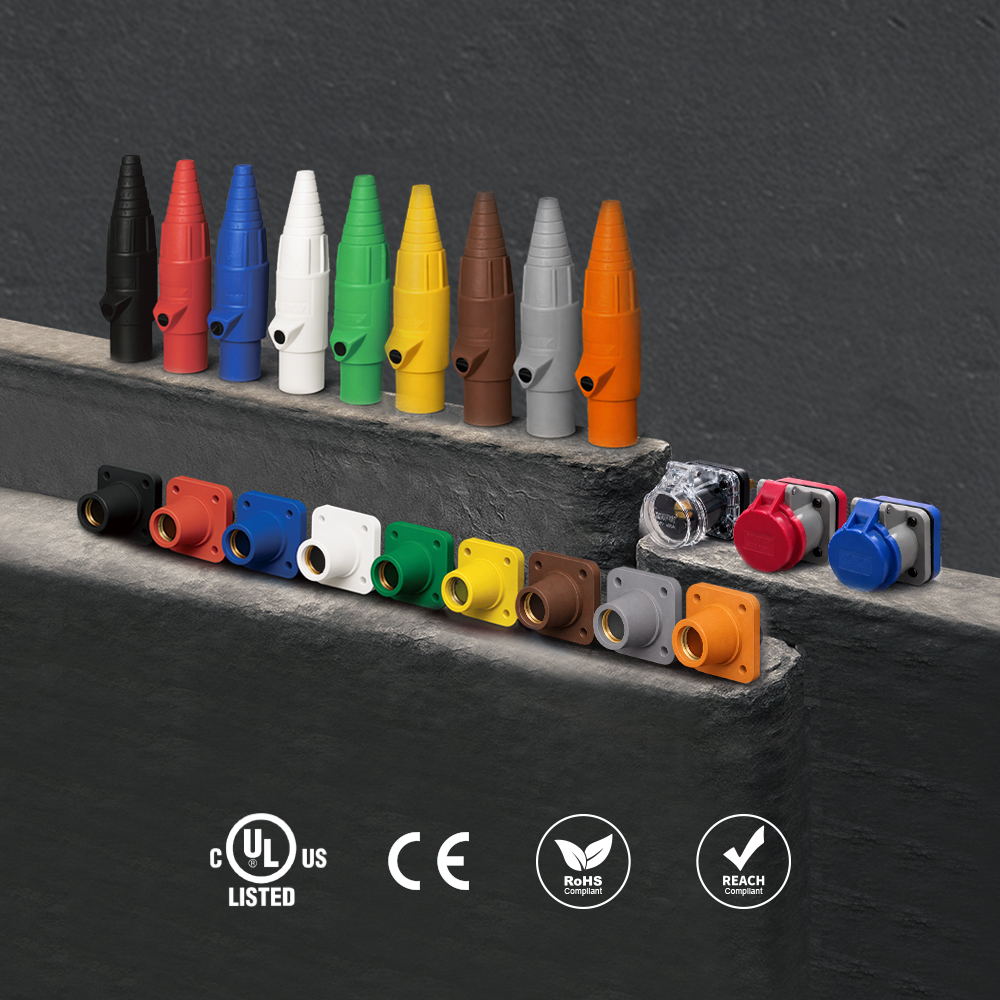 K-LOK 400A Single-Pole Cam-Type Connectors
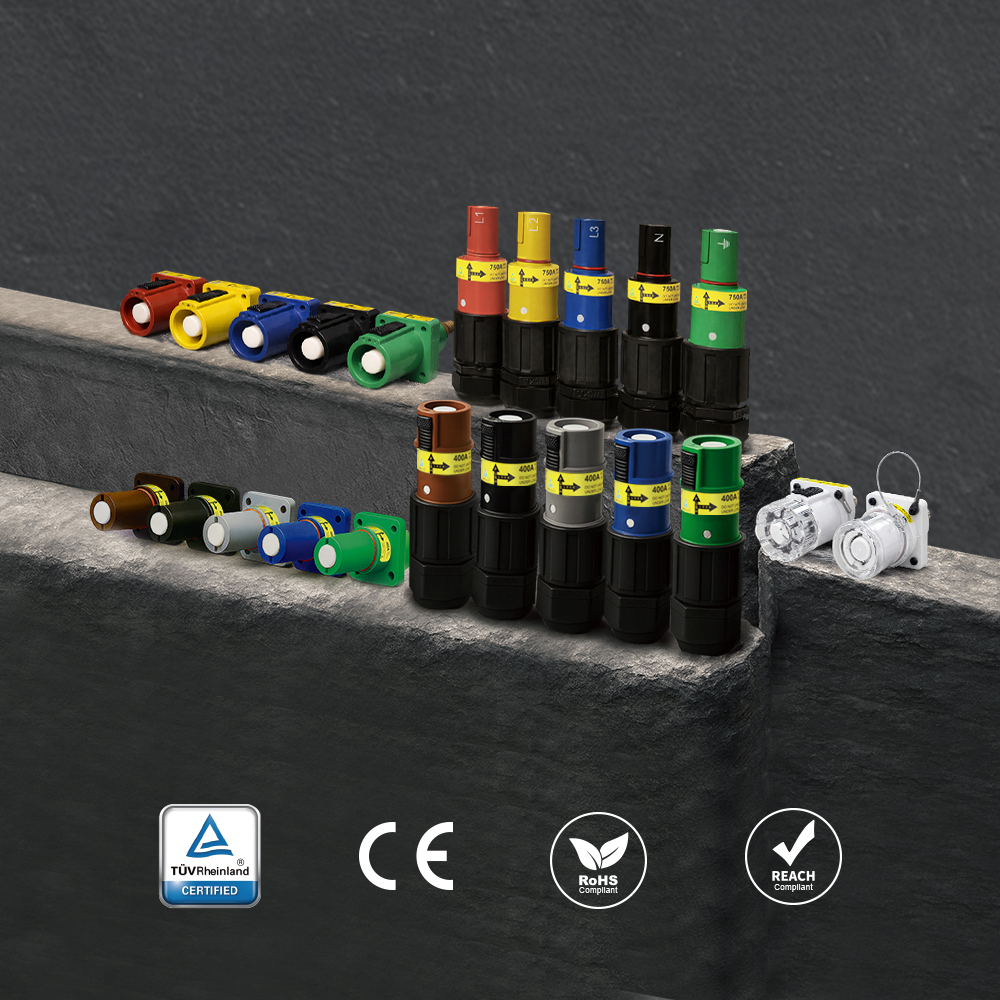 PowerFit 400A Keyed Single-Pole Connectors
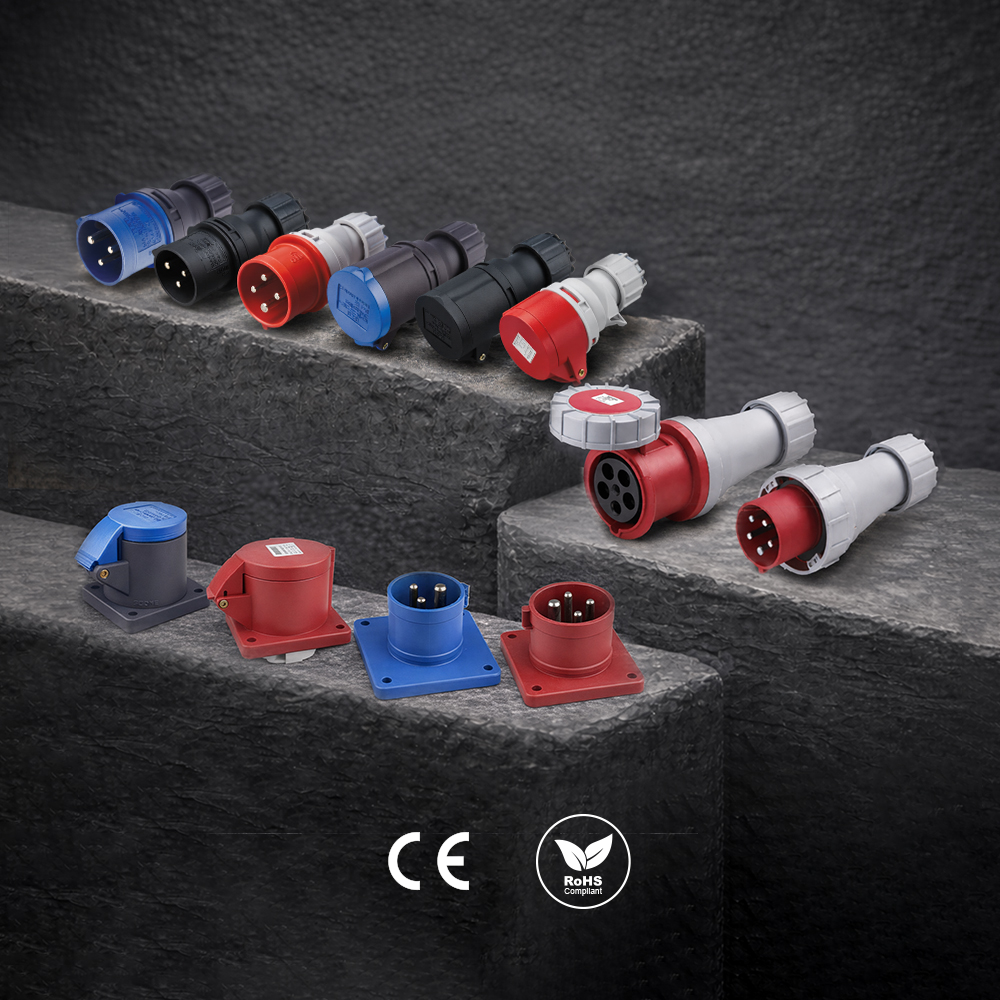 CEE Form Connectors
Have a Question?
Explore the full KUPO Power 101 FAQ Hub for answers to 30 more common questions about industrial power, or ask our team directly about your application.
