What is the difference between a CEE form connector and a single-pole high-current connector?
What is the difference between a CEE Form connector and a single-pole high-current connector?
CEE Form connectors are multi-pin plugs and sockets that carry all phases, neutral, and earth through one housing in a standardized IEC 60309 configuration. Single-pole high-current connectors carry one conductor per connector body, so a complete circuit requires a set of individual connectors - one per phase, one neutral, one ground. The two families solve different problems: CEE Form standardizes the interface; single-pole gives flexibility and higher current capacity.
How the two families are built differently - and what that means for the circuits they serve
A CEE Form connector is a self-contained multi-pin assembly. A typical three-phase CEE Form plug has five pins: three phases, neutral, and protective earth, all inside a single cylindrical housing with a keying system that prevents mismating between different voltage and frequency configurations. The pins and sleeves are arranged in a pattern defined by IEC 60309 so that connectors from different manufacturers can intermate safely. The whole assembly plugs in or unplugs as one action - all conductors connect and disconnect together. This makes CEE Form connectors fast to use and inherently sequenced, with the earth pin typically engaging first and disconnecting last by virtue of its longer length.
A single-pole high-current connector carries one conductor per body. For a three-phase-plus-neutral-plus-ground circuit, you need five individual connectors - each one mated and unmated separately. The two major single-pole ecosystems in live event and industrial use are cam-type connectors (the Camlok standard dominant in North America) and keyed single-pole connectors, known as KSPC (the Powersafe standard common in Europe). Because each conductor is handled individually, the crew controls the mating sequence manually: ground first, then neutral, then phases. The individual bodies are typically larger and heavier than a single CEE Form pin because each one is designed to carry the full phase current on its own.
Why the current level is usually the first thing that splits the choice
CEE Form connectors are available in standard ratings from 16 amps up to 125 amps under IEC 60309 (some manufacturers offer 200-amp versions, but these are less universally standardized). For circuits up to about 125 amps, CEE Form provides a compact, standardized, all-in-one solution that is well supported by codes and infrastructure worldwide. Above that threshold, the physics of cramming multiple high-current pins into a single housing become challenging - the contacts get larger, the housing gets heavier, and the mating force increases.
Single-pole connectors pick up where CEE Form leaves off. Cam-type connectors like the K-LOK 400A are rated for 400 amps per conductor. KSPC connectors like the PowerFit 400A carry the same current class. Because each connector carries only one conductor, the contact area, the housing size, and the heat dissipation are all optimized for that single current path. This is why single-pole connectors dominate high-current feeder work on touring stages, film sets, and large industrial temporary installations - the current demands exceed what multi-pin housings can practically deliver. For lower-current branch circuits, CEE Form is often the more practical choice because one plug replaces five individual connections.
The trade-offs beyond current rating - speed, standardization, and field flexibility
CEE Form connectors are faster to connect and disconnect because all conductors mate in one action. They are also self-sequencing (earth first, earth last) and self-identifying - the color coding and keying built into IEC 60309 tell the user the voltage, frequency, and number of poles at a glance. This makes them well suited to environments where standardization, speed, and mistake-proofing matter more than peak current capacity. Industrial facilities, broadcast trucks, and standardized rental inventory all benefit from these properties.
Single-pole connectors offer more flexibility. Each conductor can be routed independently, which matters in installations where phase conductors need to take different physical paths - around obstacles, through separate penetrations, or across different cable bridges. The individual connectors can be mixed between current ratings (a 400-amp phase set with a 150-amp neutral, for instance) in ways that a fixed multi-pin housing cannot accommodate. And in the field, a damaged single-pole connector can be replaced individually without affecting the rest of the set. With CEE Form, a damaged pin means replacing or repairing the entire multi-pin assembly.
Where KUPO Power's connector families cover both sides of this choice
KUPO Power builds connectors across both families, so the choice between CEE Form and single-pole does not require switching suppliers. K-LOK 400A and K-LOK 150A single-pole cam-type connectors are KUPO's equivalents to the Camlok ecosystem for high-current feeder work in North American touring, film, and live event applications. PowerFit 400A is the Powersafe-pattern keyed single-pole connector (KSPC) for European stage and event power. CEE Form connectors cover the IEC 60309 standard for standardized multi-pin connections up to 125 amps. Having all three ecosystems from one manufacturer means the connector layer stays consistent from feeder to branch, regardless of which family the application calls for. The KUPO Power 101 FAQ Hub covers the full picture of how connector selection fits into system design.
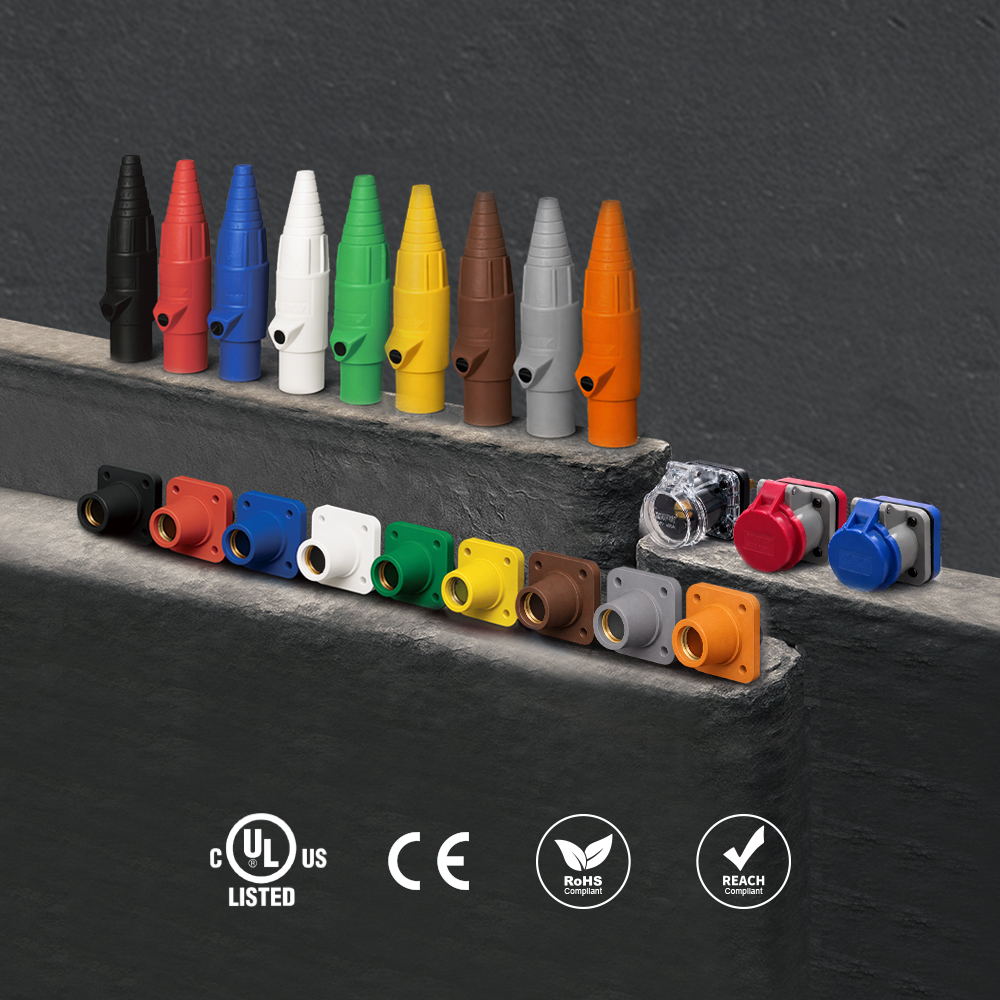 K-LOK 400A Single-Pole Cam-Type Connectors
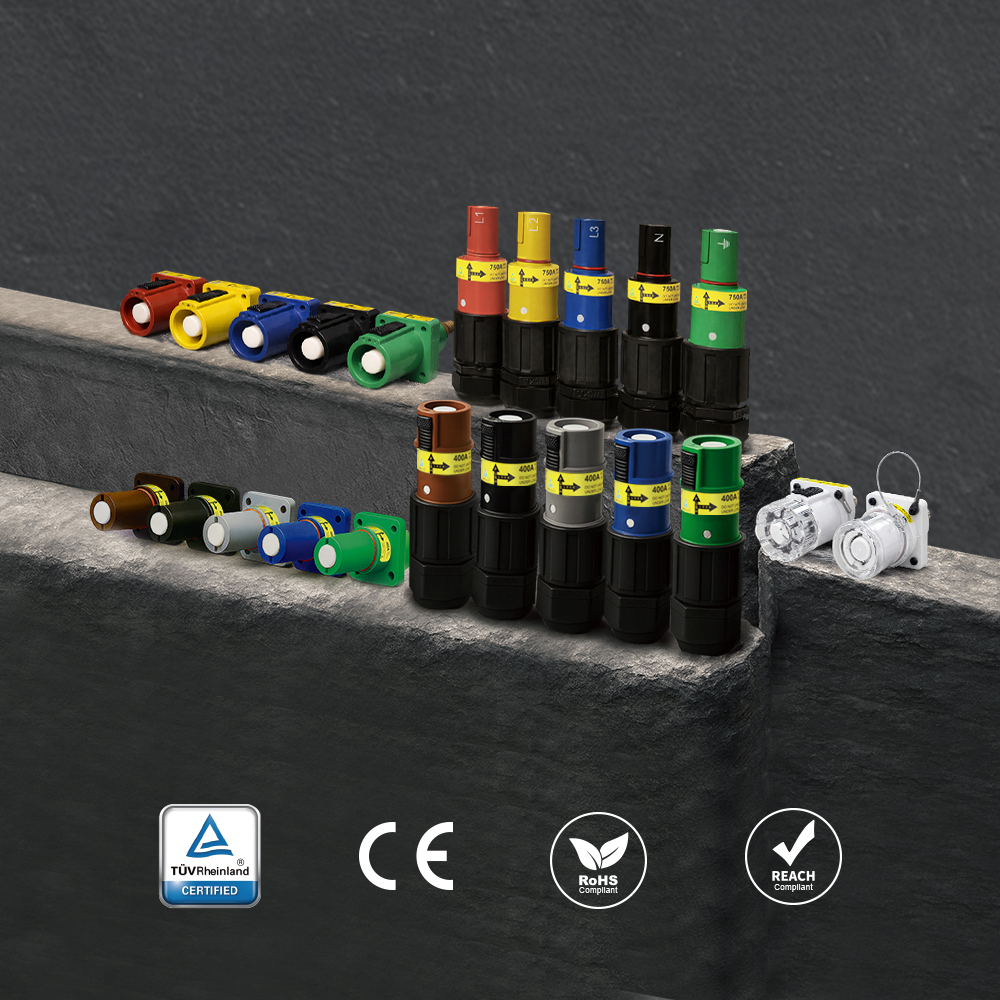 PowerFit 400A Keyed Single-Pole Connectors
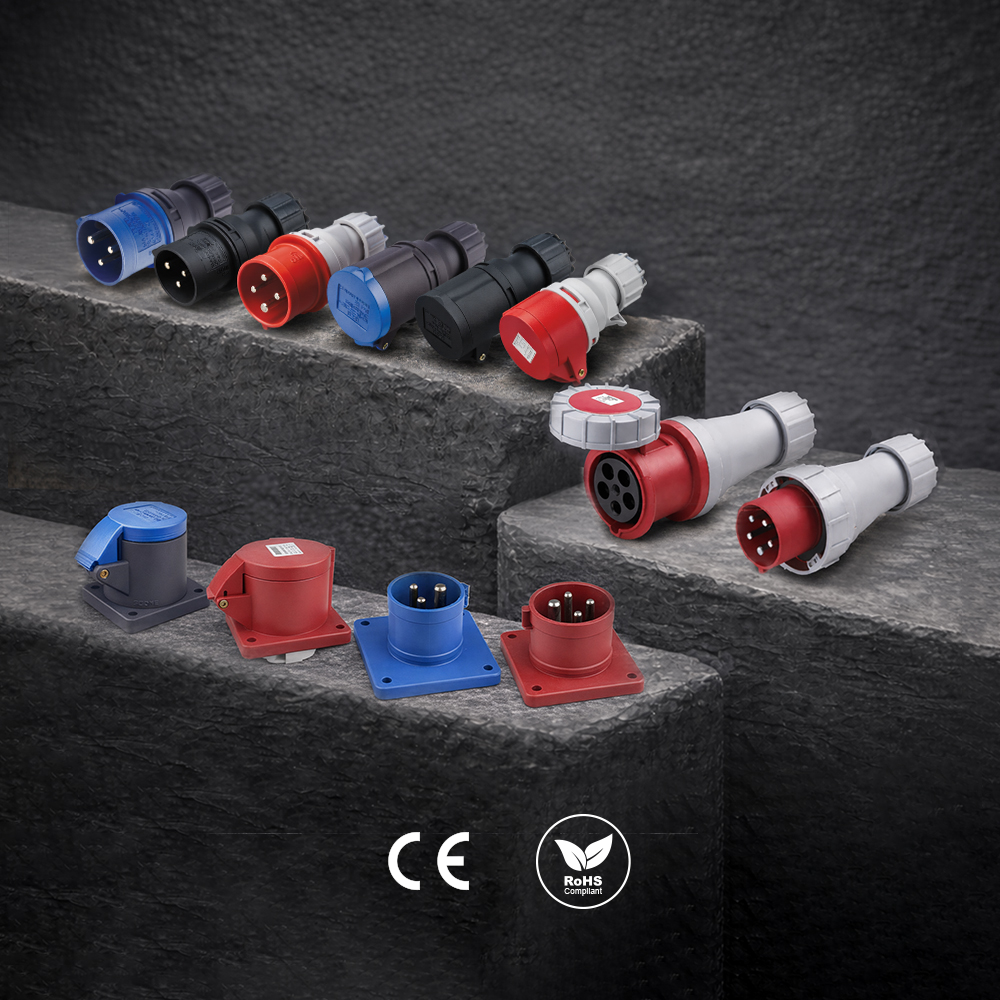 CEE Form Connectors
Have a Question?
Explore the full KUPO Power 101 FAQ Hub for answers to 30 more common questions about industrial power, or ask our team directly about your application.
